Call Us Today!
(86) 13523337775 |
ayzhyjnc888@gmail.com

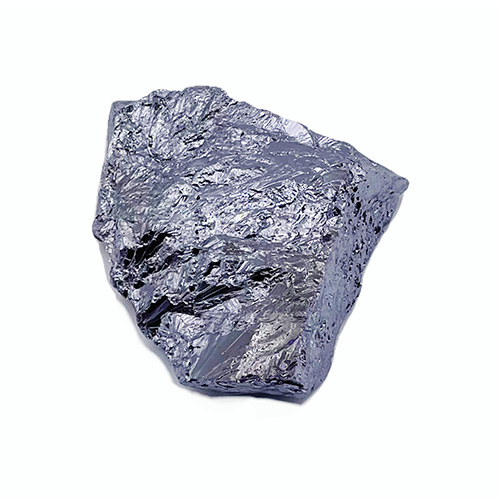
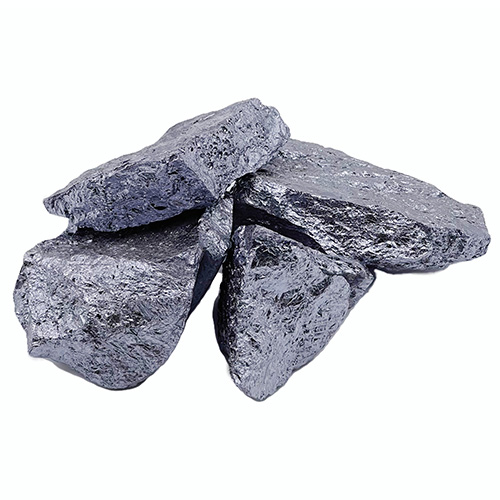
| Product | Si(min) | Fe(max) | Al(max) | Ca(max) | Size |
| 1101 | 99.79% | 0.1% | 0.1% | 0.01% | 10-100mm
Per customer requirements. |
| 1501 | 99.69% | 0.15% | 0.15% | 0.01% | |
| 2202 | 99.58% | 0.2% | 0.2% | 0.02% | |
| 2502 | 99.48% | 0.25% | 0.25% | 0.02% | |
| 3303 | 99.37% | 0.3% | 0.3% | 0.03% | |
| 411 | 99.4% | 0.4% | 0.1% | 0.1% | |
| 421 | 99.3% | 0.4% | 0.2% | 0.1% | |
| 441 | 99.1% | 0.4% | 0.4% | 0.1% | |
| 553 | 98.7% | 0.5% | 0.5% | 0.3% |
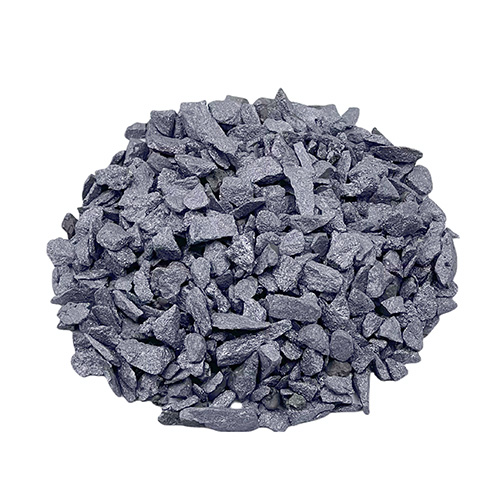
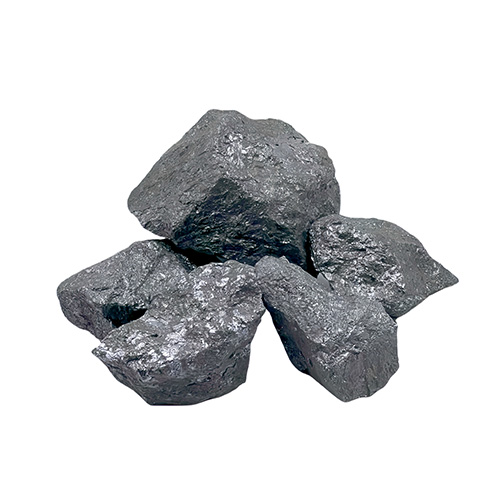
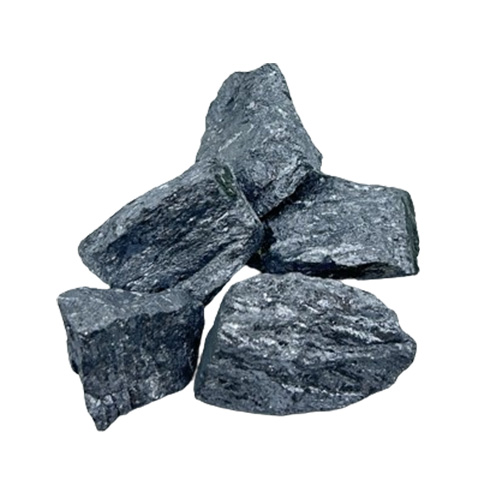
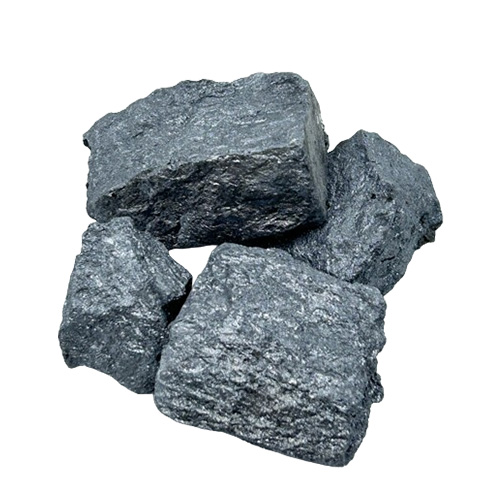
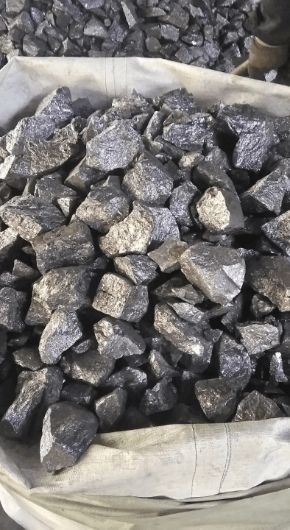
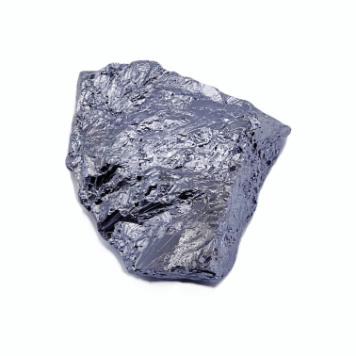
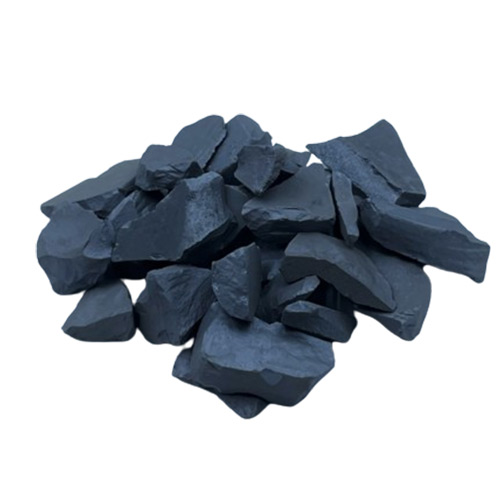
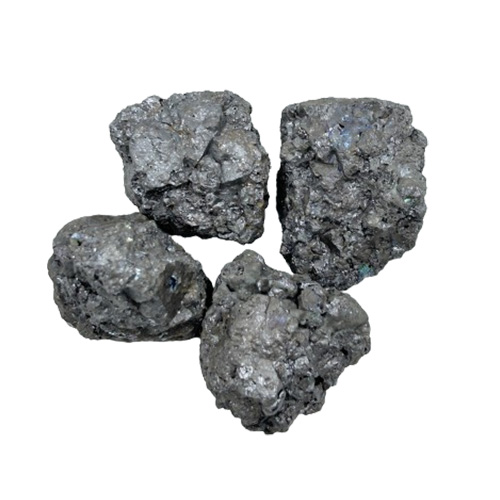
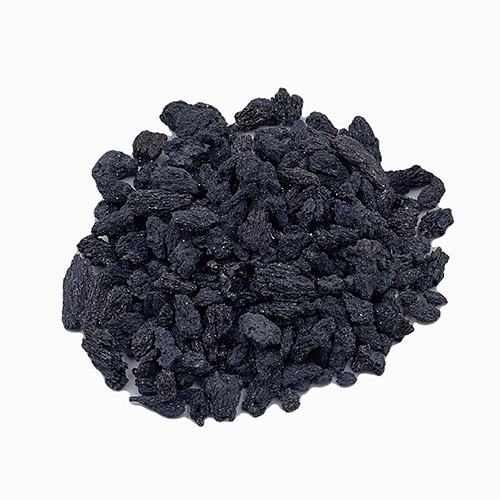
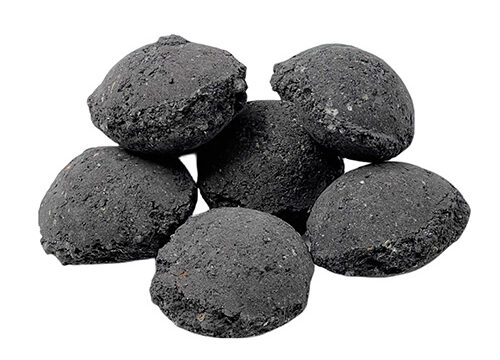
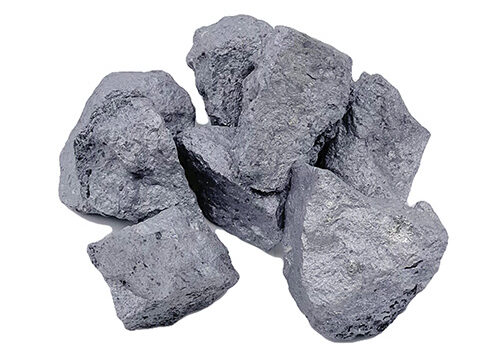
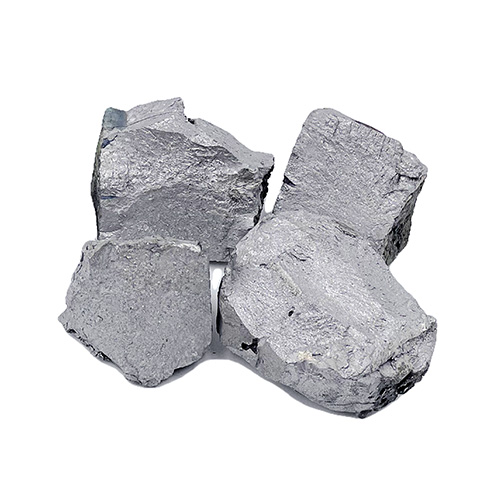
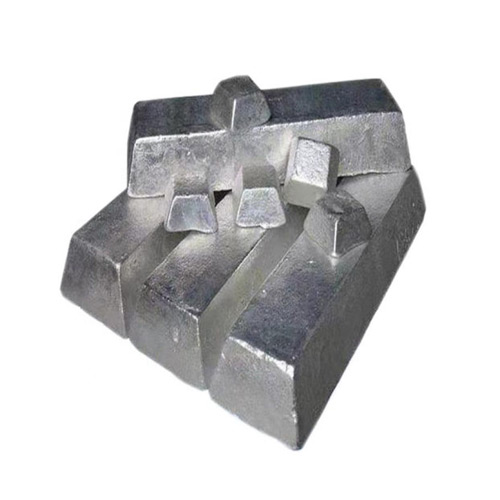
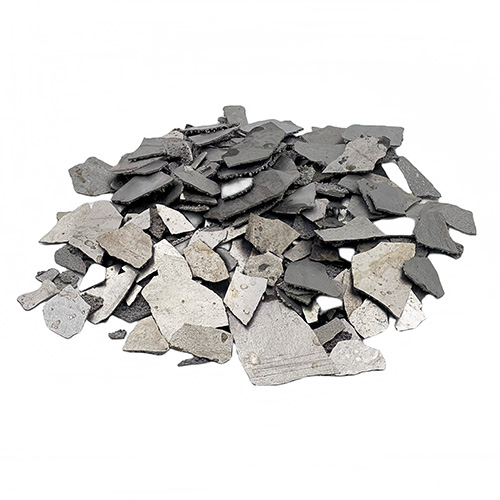
Silicon Metal has wide applications in various industries. One of its key applications is as an alloy additive. Due to its ability to enhance hardness, strength, and corrosion resistance, metallic silicon is commonly used in the production of materials such as cast iron, stainless steel, and aluminum alloys. Metallic silicon is also employed in the manufacturing of high-tech products like solar cells, semiconductor materials, and optical fibers. Additionally, it is utilized as a deoxidizer and reducer in the steelmaking process. By reacting with oxygen, metallic silicon reduces oxygen to gas form, thereby decreasing the oxygen content and improving the purity and quality of the steel.
Overall, metallic silicon plays a crucial role in steel mills as a deoxidizer, alloy additive, and temperature control agent, significantly impacting the quality and efficiency of steel production.