Call Us Today!
(86) 13523337775 |
ayzhyjnc888@gmail.com

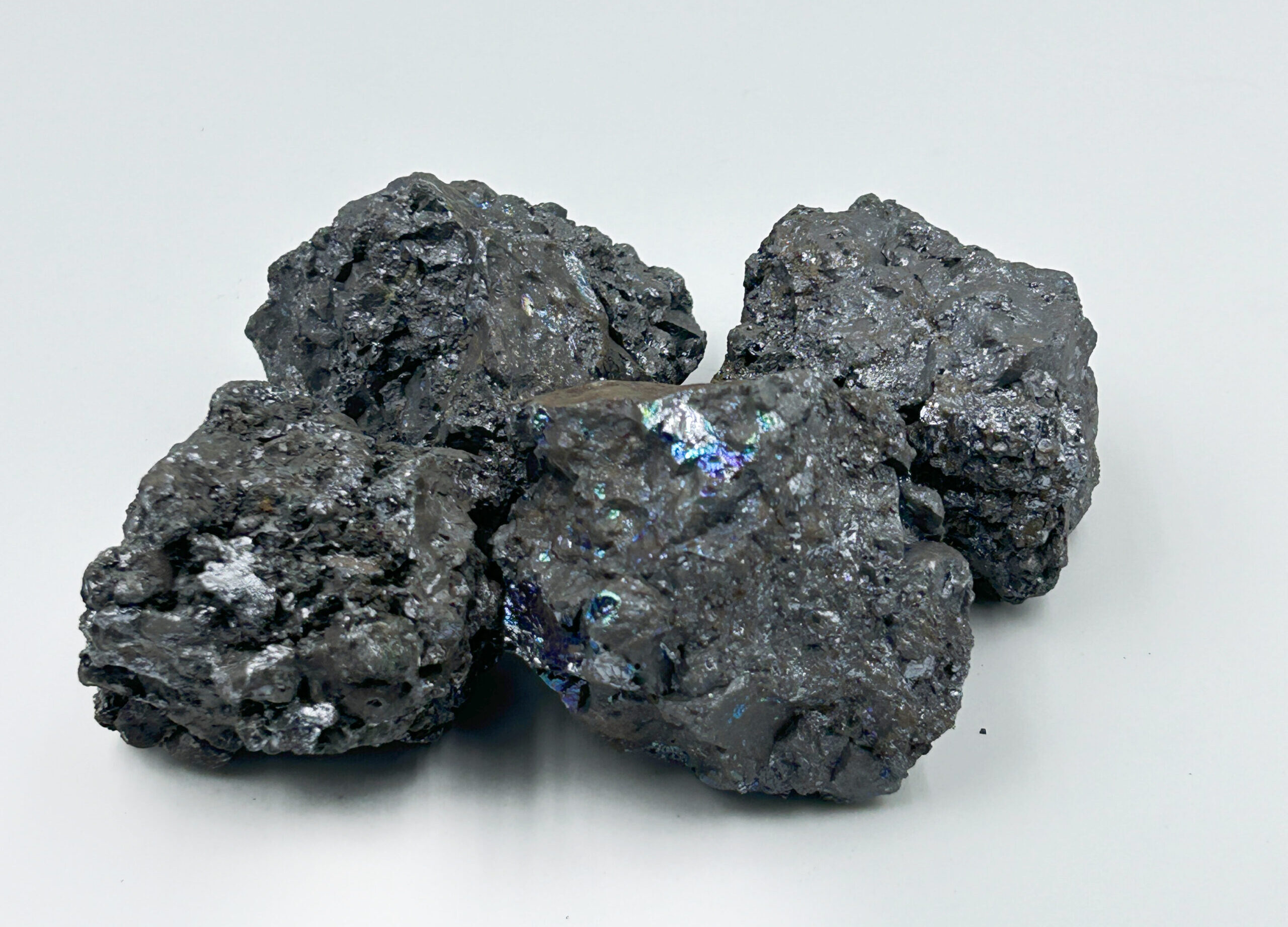
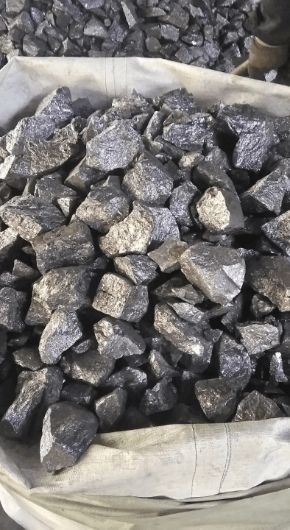
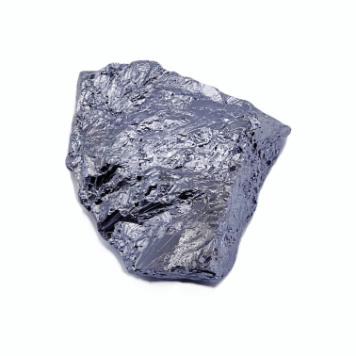
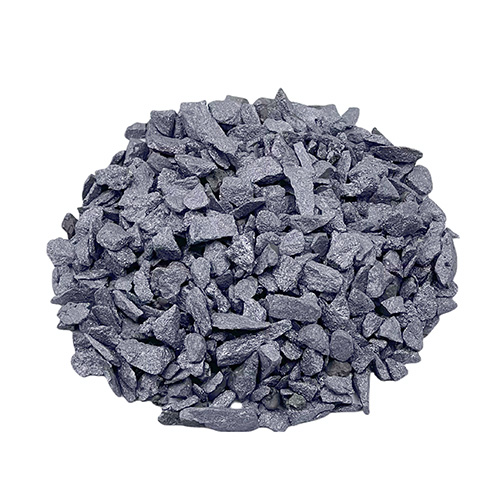
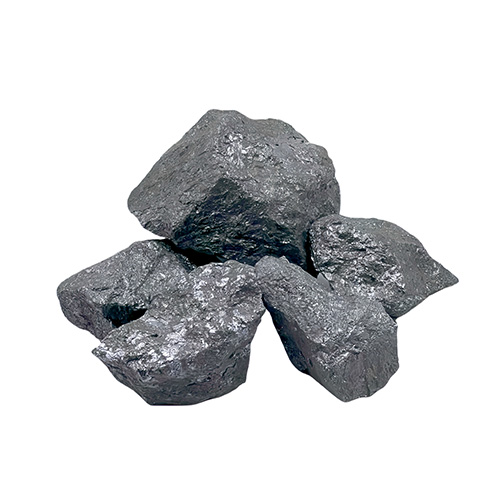
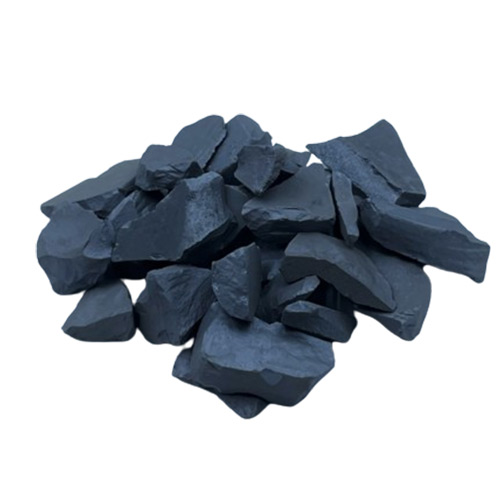
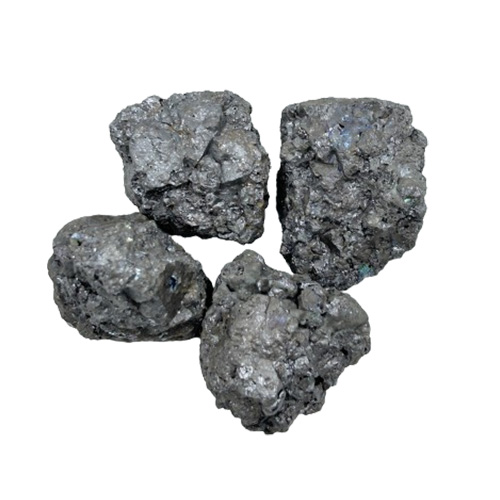
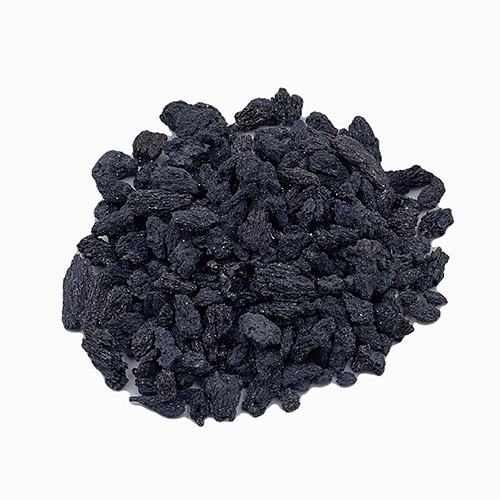
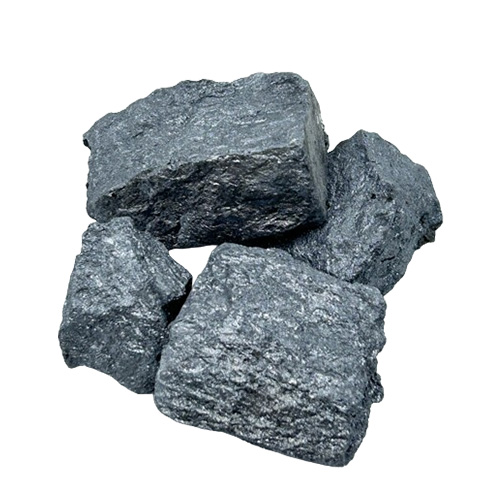
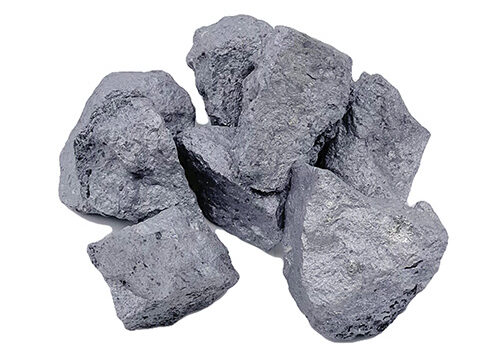
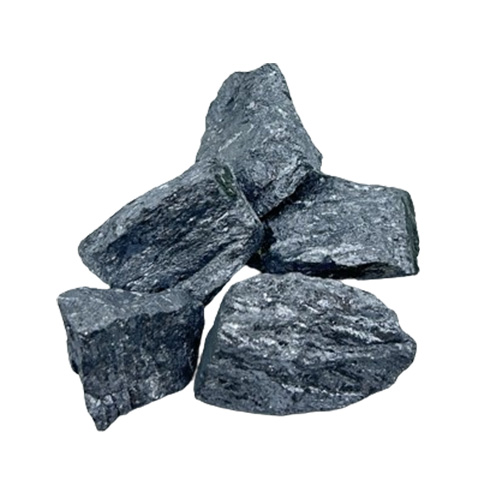
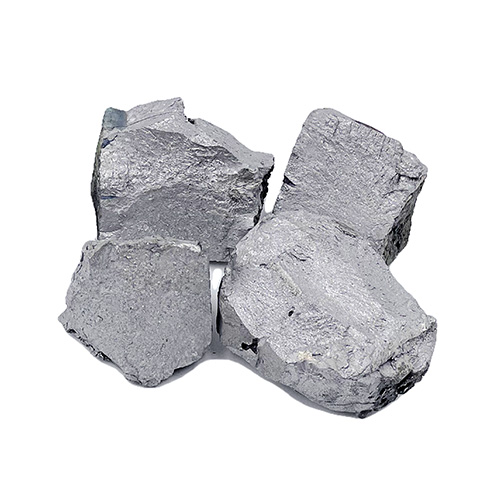
High carbon silicon, also known as high carbon ferrosilicon, is a significant metallurgical material widely used in the steelmaking and foundry industries. It primarily consists of silicon (Si) and carbon (C), along with other elements such as iron (Fe) and trace impurities. High carbon silicon is characterized by its relatively high carbon content, which endows it with unique physical and chemical properties, making it valuable in various industrial applications.
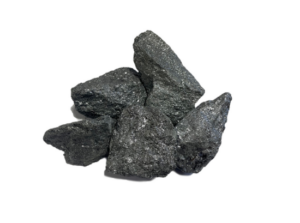
High Carbon Silicon Composition and Production
The main components of high carbon silicon are silicon and carbon. A typical high carbon silicon composition includes:
Silicon (Si): 40%~65%
Carbon (C): 10%~20%
Iron (Fe): 6%~10%
Other impurities like sulfur (S) and phosphorus (P)
The production process of high carbon silicon generally involves the following steps:
Raw Material Preparation: Major raw materials include silica (SiO2), coke (C), scrap steel, and iron ore.
High-Temperature Smelting: In an electric arc furnace, these raw materials are smelted at high temperatures. The high temperatures cause the silica and coke to react, producing silicon and carbon monoxide, while the scrap steel and iron ore combine with silicon and carbon to form high carbon silicon.
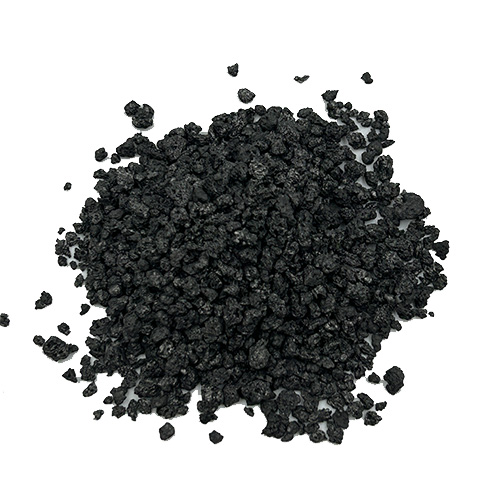
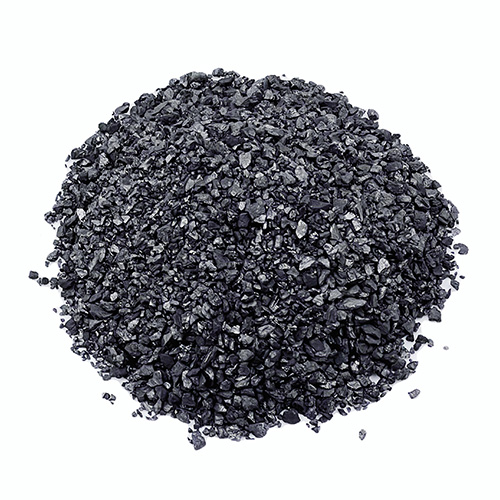
Cooling and Shaping: The molten high carbon silicon is then cooled and solidified, followed by crushing and screening processes to produce products of various particle sizes to meet different application requirements.