Call Us Today!
(86) 13523337775 |
ayzhyjnc888@gmail.com

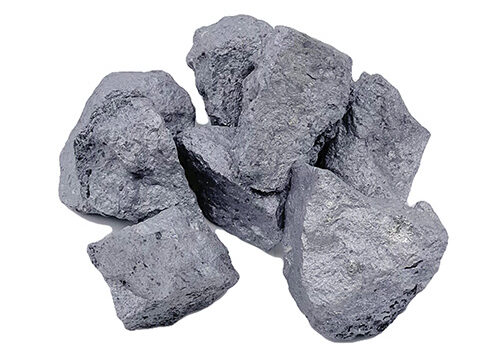
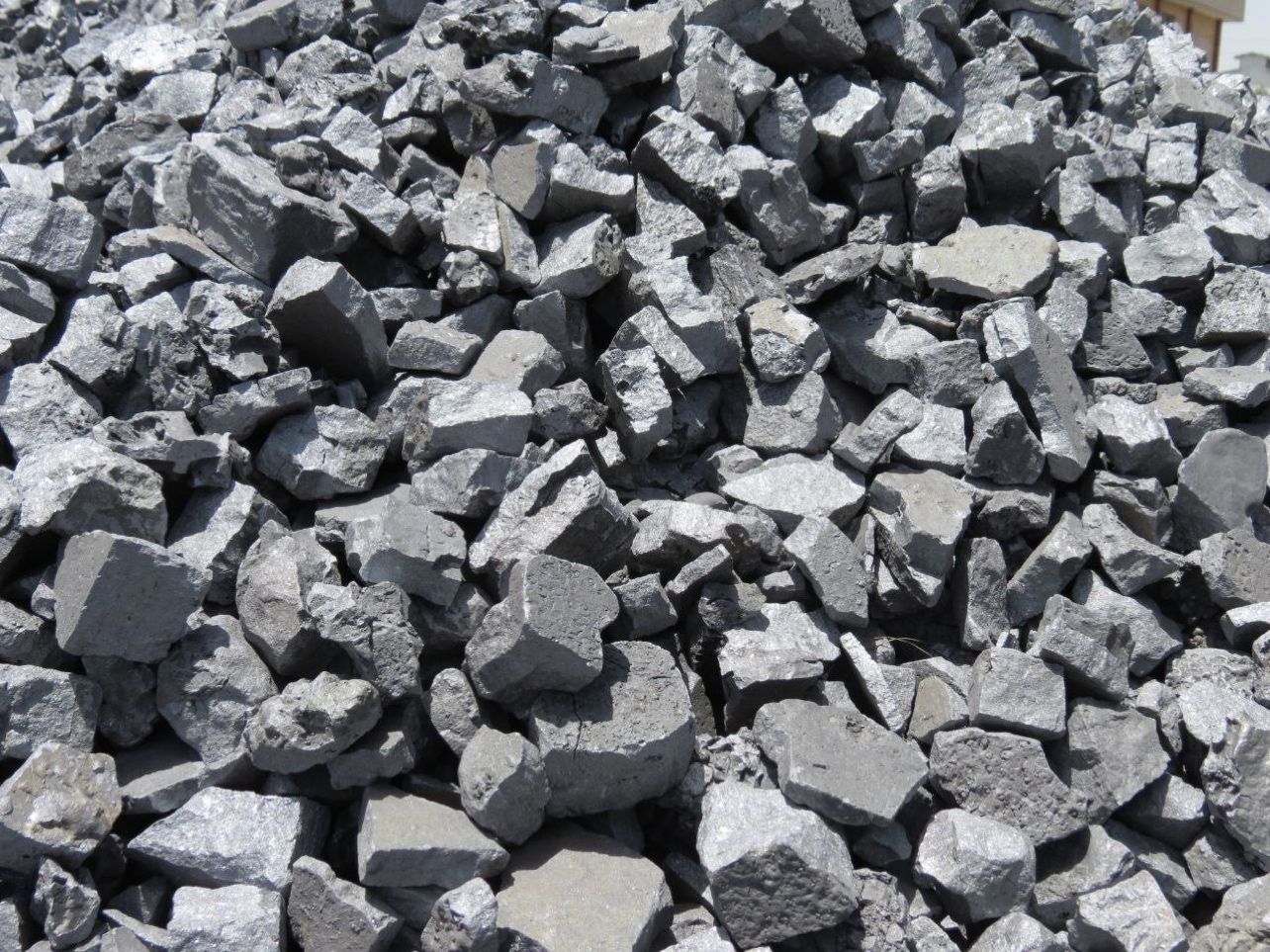
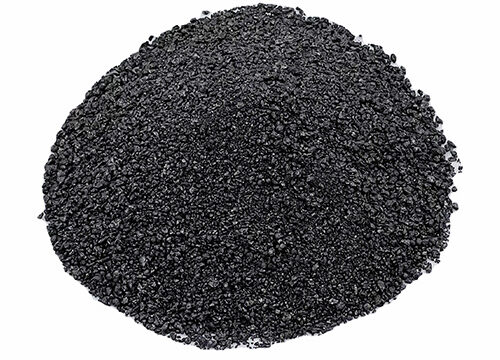
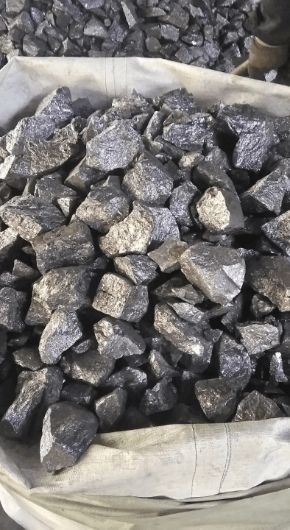
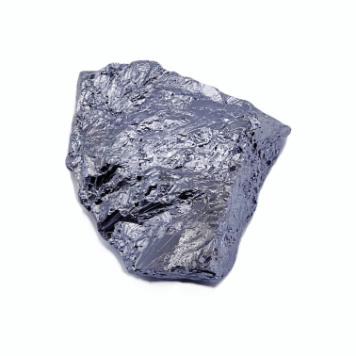
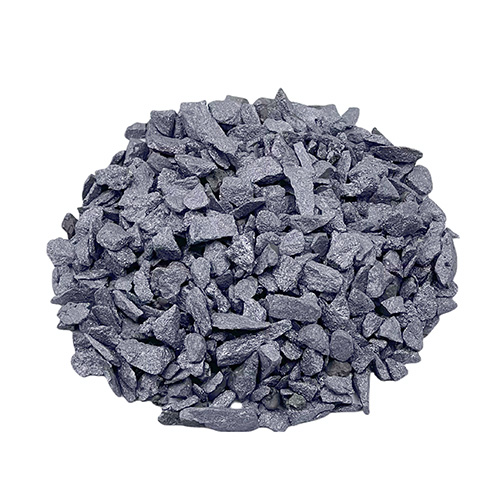
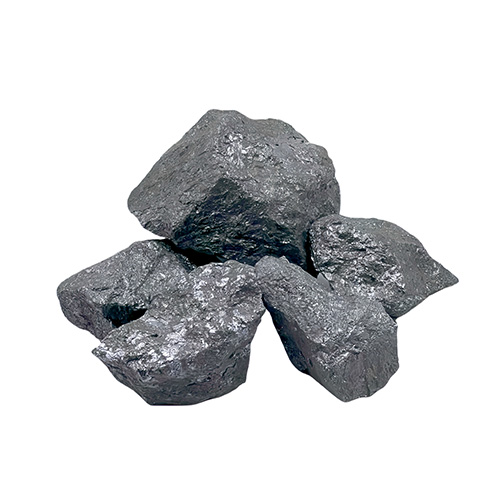
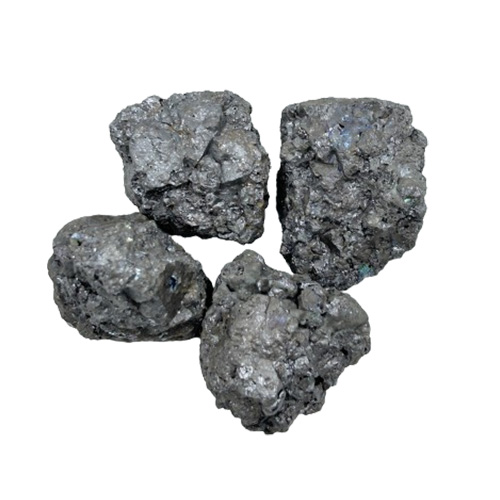
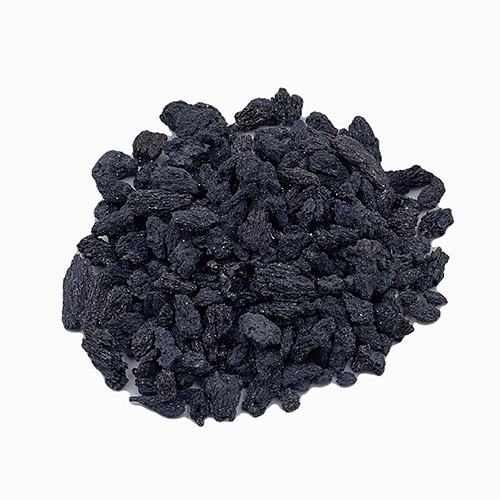
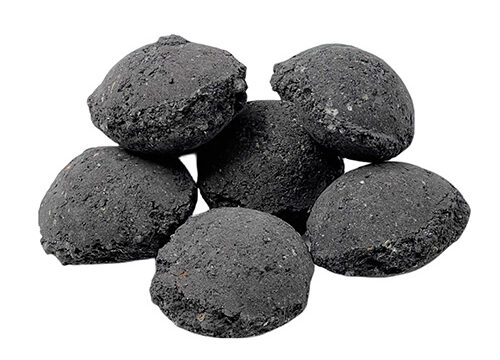
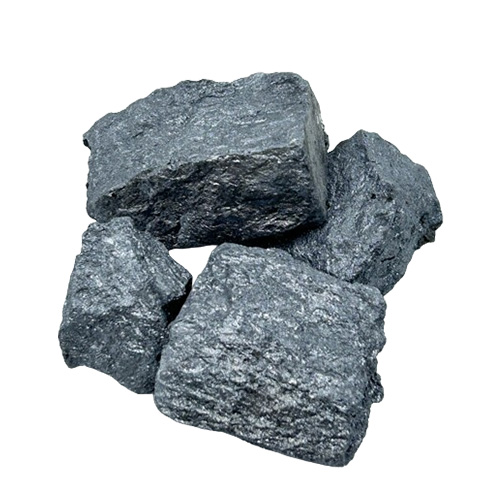
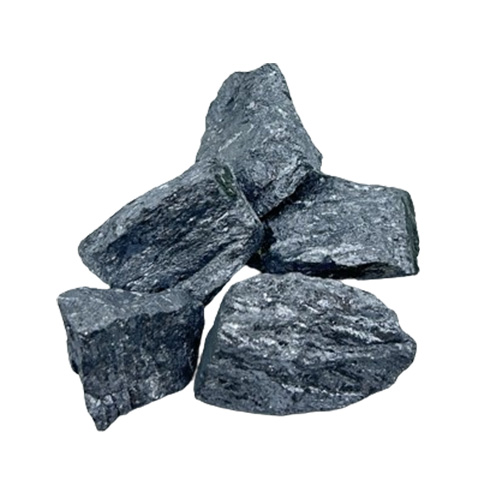
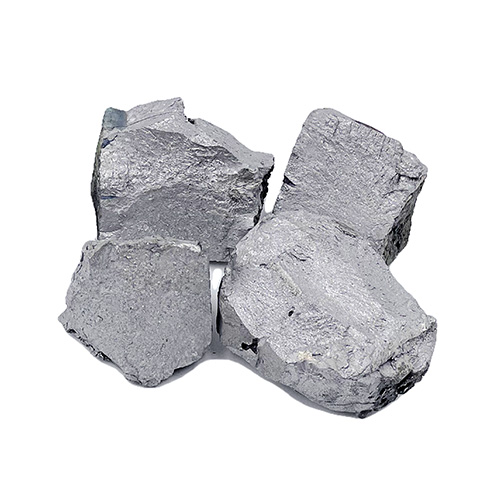
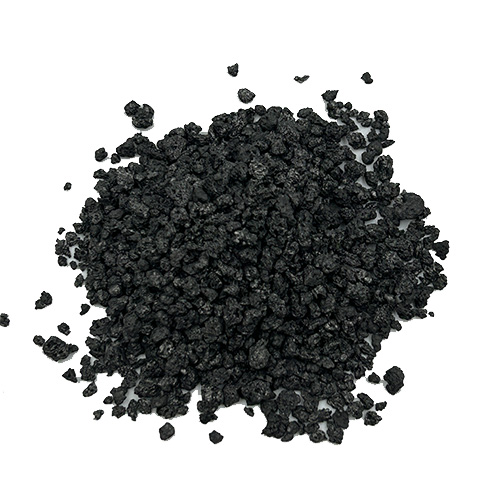
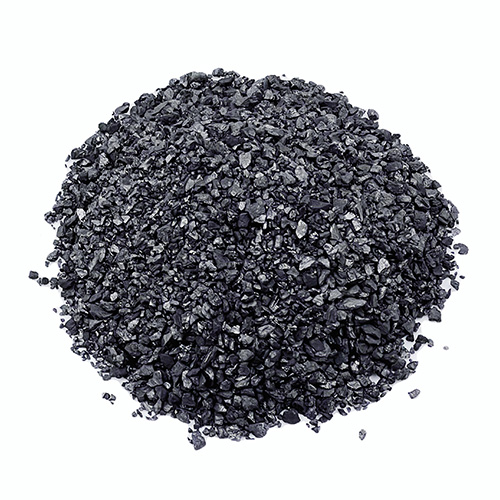
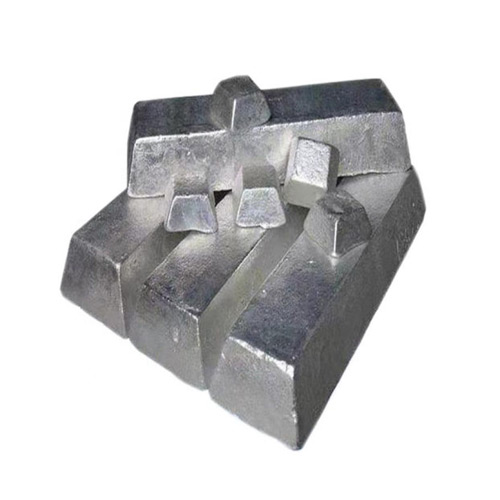
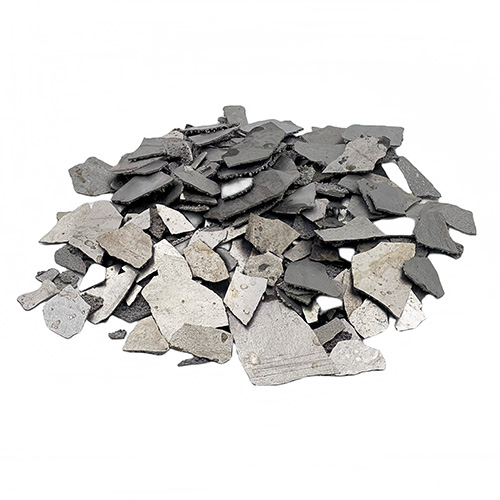
High carbon silicon (Si-C alloy) is a crucial alloy additive in metallurgy, offering unique benefits that enhance steelmaking and casting processes. With high carbon and silicon content, this alloy improves efficiency, reduces costs, and enhances material properties. Below, we explore the top five applications of high carbon silicon in metallurgy and why it’s a preferred choice for manufacturers worldwide.
1. Deoxidizer in Steelmaking
High carbon silicon acts as a powerful deoxidizer, removing excess oxygen from molten steel. Unlike pure silicon, its carbon content provides additional benefits, improving steel quality while reducing production costs. This makes it ideal for producing high-quality, low-oxygen steel used in the automotive and construction industries.
2. Carburizing Agent in Cast Iron Production
In foundries, high carbon silicon serves as an excellent carburizing agent, increasing carbon content in molten iron. This enhances the hardness and wear resistance of cast iron products, making them suitable for heavy machinery, engine blocks, and industrial tools.
3. Alloying Additive for Special Steel Grades
Certain steel alloys require precise silicon and carbon ratios to achieve desired properties. High carbon silicon ensures uniform composition, improving strength, corrosion resistance, and thermal stability in stainless steel, tool steel, and other specialty alloys.
4. Slag Modifier in Electric Arc Furnaces (EAF)
In EAF steel production, high carbon silicon helps adjust slag viscosity and composition, facilitating smoother metal-slag separation. This results in cleaner steel with fewer impurities, reducing refining time and energy consumption.
5. Cost-Effective Silicon Source for Ferroalloys
Compared to traditional silicon metals, high carbon silicon offers a budget-friendly alternative for producing ferroalloys like ferrosilicon. Its dual carbon-silicon composition lowers raw material costs while maintaining performance in alloy manufacturing.
Why Choose High Carbon Silicon?
• Cost-efficient – Reduces reliance on pure silicon and graphite.
• Enhances material properties – Improves hardness, strength, and oxidation resistance.
• Boosts production efficiency – Shortens refining time and lowers energy consumption.
For metallurgical businesses seeking high-performance, economical alloy additives, high carbon silicon is a game-changer. Its versatility in steelmaking, cast iron production, and ferroalloy manufacturing makes it indispensable in modern metallurgy.