Call Us Today!
(86) 13523337775 |
ayzhyjnc888@gmail.com

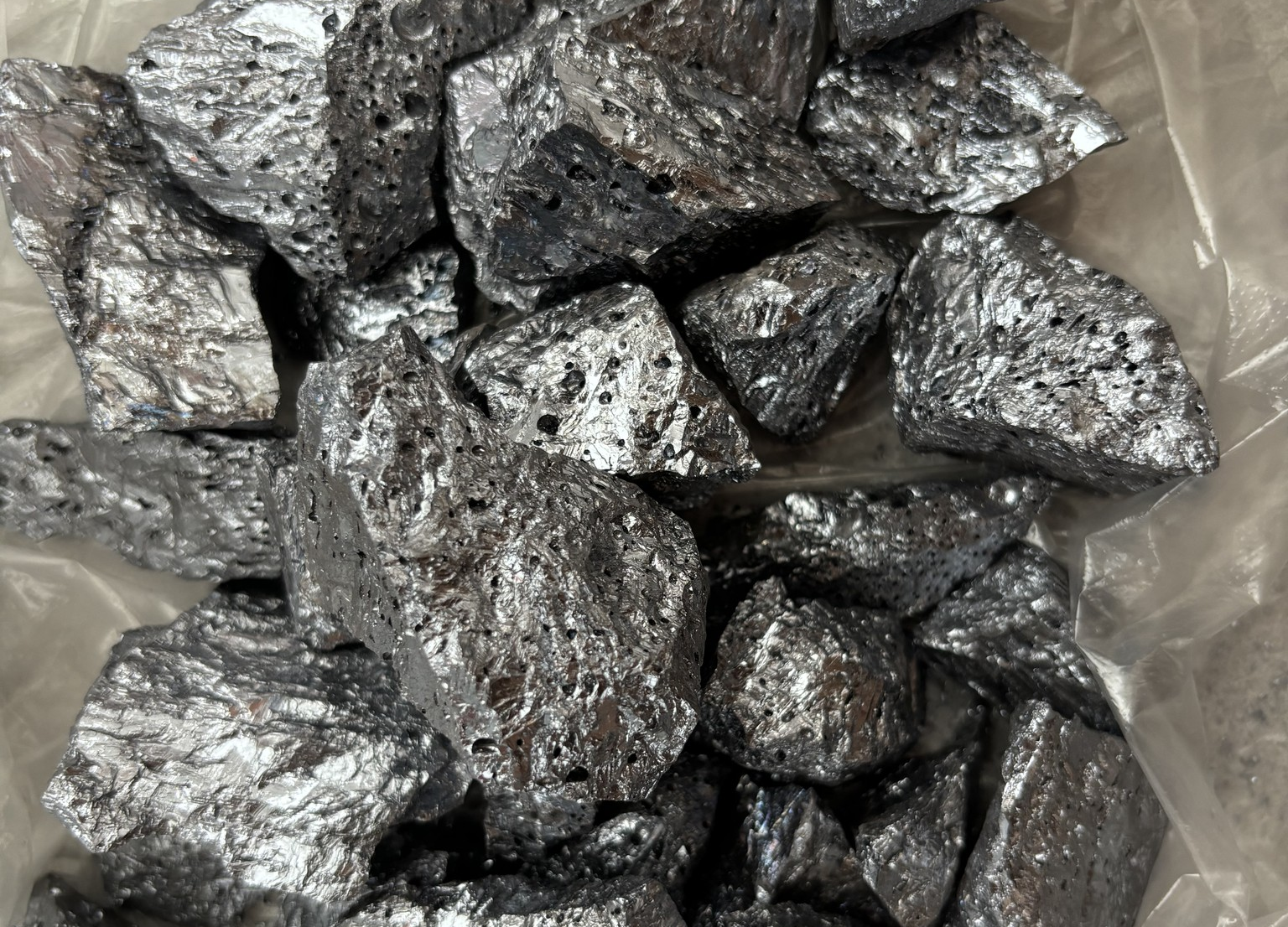
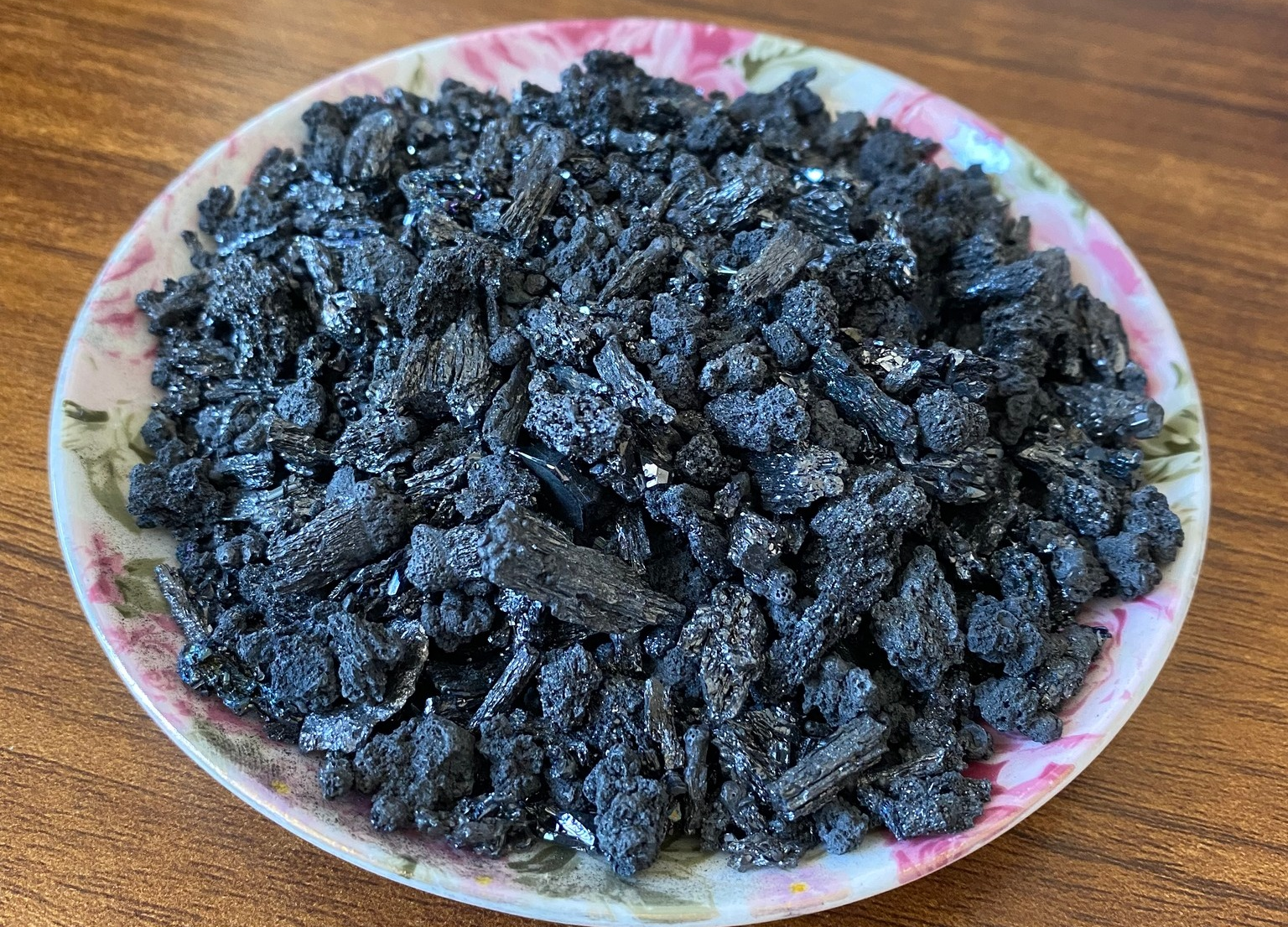
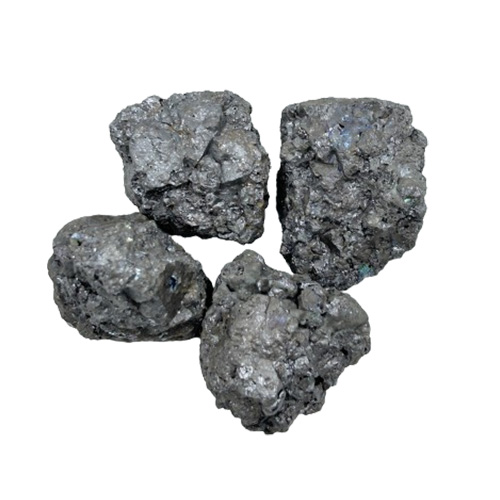
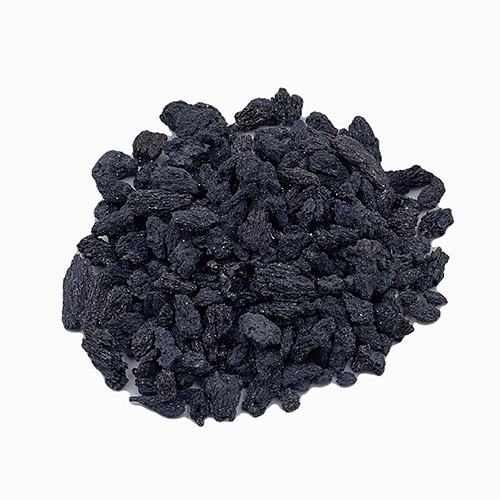
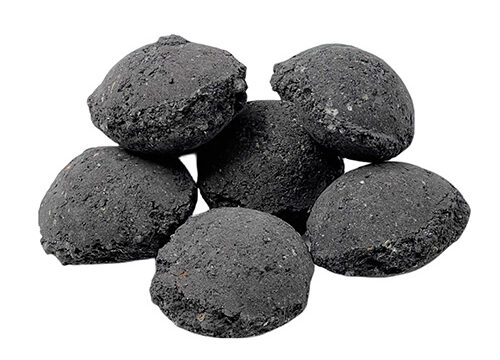
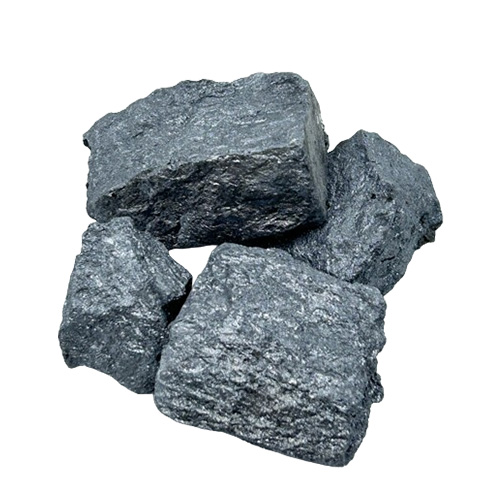
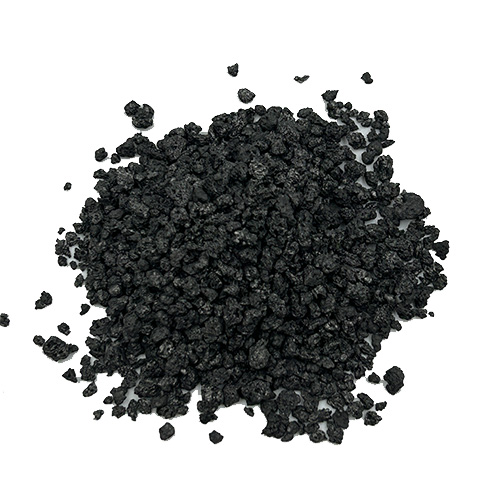
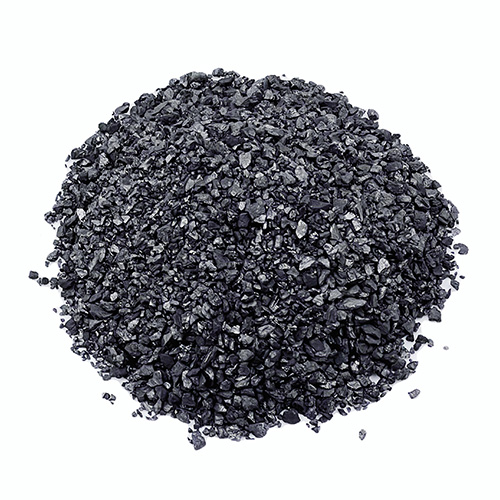
Calcined anthracite coke (CAC) is widely used as a recarburizer in steelmaking, serving as an efficient carbon additive. Known for its low ash, low sulfur, low phosphorus content, high calorific value, and strong compressive strength, CAC is produced through high-temperature calcination in electric or specialized furnaces.
Incorporating a suitable carbon raiser during the manufacturing process enhances the physical and chemical properties of the final product. Benefits include reduced specific resistance and improved structural integrity.
However, conventional production methods often introduce new impurities. Addressing these contaminants requires additional purification steps, leading to extended production timelines and increased costs.
To overcome these challenges, a new method has been developed. By applying graphitization treatment to the carbon raiser, product purity is significantly increased, resulting in enhanced thermal and electrical conductivity.
1. Raw Material Mixing Petroleum coke is ground into a fine 300-mesh powder and uniformly blended with a carbon-containing material. Asphalt is then added and mixed thoroughly to form a homogeneous blend. The typical composition by weight includes:
2. Pretreatment Water is added to the mixture, which is then processed in a rotary granulator to form consistent granules.
3. Surface Treatment The granules are tumbled in a rotating drum for 4–10 hours to achieve a smooth surface. This step eliminates protrusions and burrs, ensuring uniform graphitization and consistent quality.
4. Sieving Granules larger than 8mm are separated, crushed, and returned to the surface treatment stage. This ensures all particles are 8mm or smaller.
5. Drying The sieved material is dried in a vertical dryer at 80°C–120°C for 60–80 minutes. The process reduces moisture content to 1% or less.
6. Graphitization Dried particles are placed in a graphitization furnace and calcined at 2300°C–2800°C for 8–10 days. This high-temperature treatment is crucial for impurity removal and enhancing material properties.
7. Packaging After cooling, the graphitized particles are sorted and packaged according to size: 0–2mm, 2–5mm, and 5–8mm.
Experimental studies involving adjustments in raw material ratios, surface treatment duration, and graphitization temperature reveal key insights:
This innovative manufacturing method significantly enhances the purity of carbon raiser products while reducing production costs. By offering multiple optimized production cases, this approach provides a reliable reference for global technicians seeking to improve their carbon additive processes for steelmaking applications.