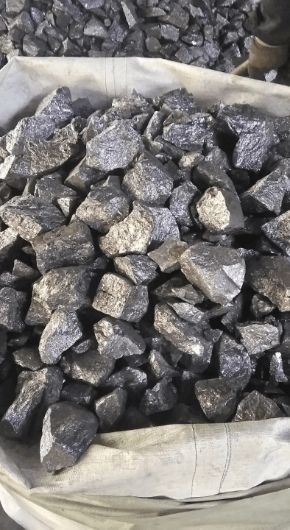
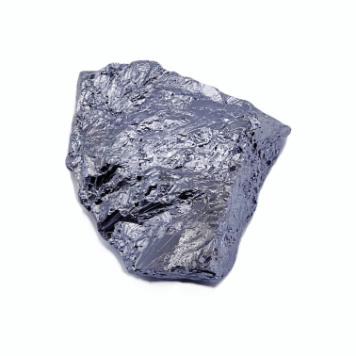
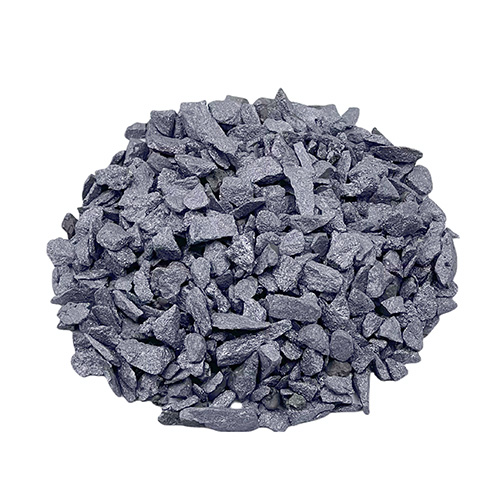
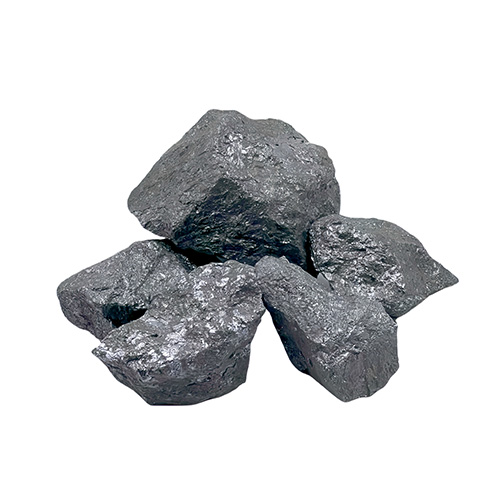
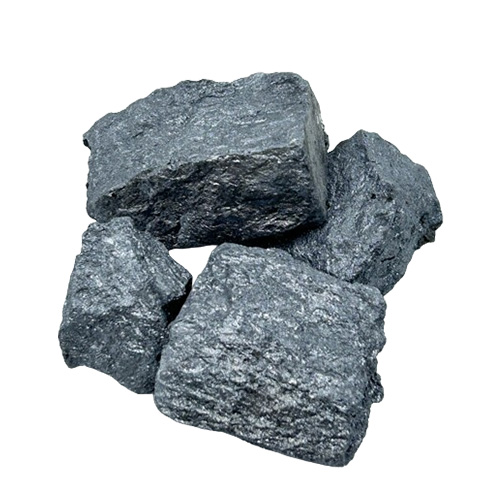
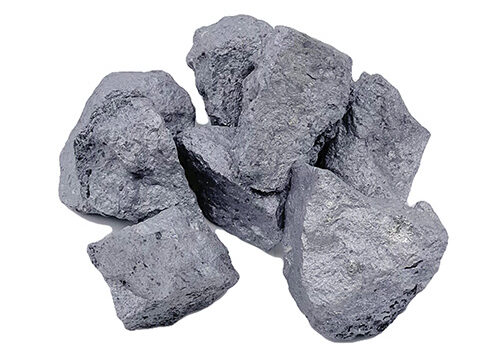
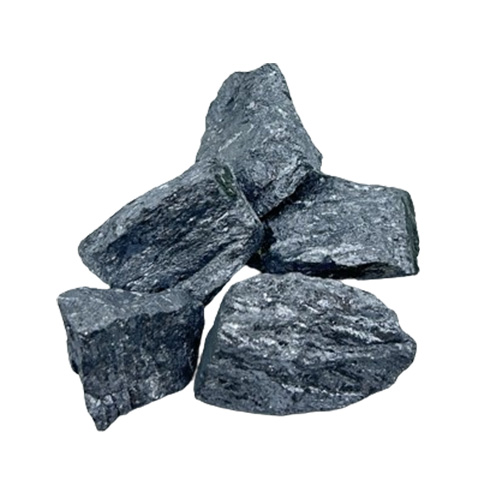
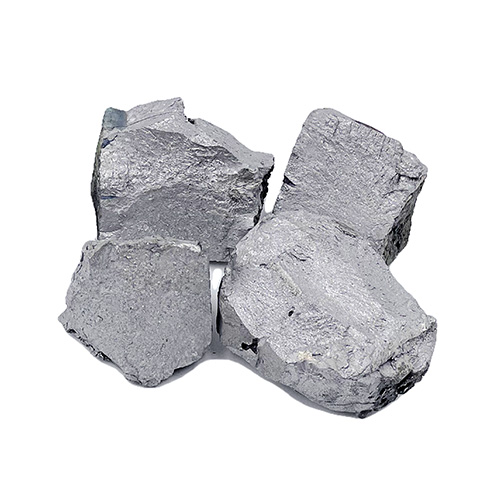
The silicon iron market from October to December 2025 has been characterized by "strong cost support amid weak demand, with prices fluctuating in a range". Both futures and spot prices have oscillated between 5,050-5,546 RMB/ton, as a pattern of reduced supply and demand has dominated the market.
The silicon iron market from October to December 2025 has been characterized by “strong cost support amid weak demand, with prices fluctuating in a range”. Both futures and spot prices have oscillated between 5,050-5,546 RMB/ton, as a pattern of reduced supply and demand has dominated the market. Below is a detailed breakdown of recent price trends and market dynamics:
-
Price Trends
- Spot Market: The average price of silicon iron (FeSi75-B) in Ningxia stood at 5,227 RMB/ton, a slight decrease of 0.27% month-on-month. Prices initially declined due to post-holiday inventory accumulation but rebounded moderately in mid-October with the launch of steel mill tenders. The FOB price of 75# silicon iron remained around 1,100 USD/ton.
- Futures Market: Driven by positive sentiment in the coal sector, the main silicon iron futures contract rose to around 5,500 RMB/ton by the end of the month.
-
Key Drivers
- Supply: National monthly output of silicon iron reached approximately 490,000 tons, with high operating rates maintained in Ningxia and Inner Mongolia. Only Gansu saw a 5.97% drop in operating rates due to enterprise maintenance, resulting in overall loose supply.
- Demand: Steel mill tenders were weak. HBIS (Hebei Iron and Steel Group) set its October FeSi75-B tender price at 5,660 RMB/ton, a decrease of 140 RMB/ton from the previous round. Steel mills adopted a rigid-demand purchasing strategy, while exports remained sluggish amid the off-season in Japan and South Korea.
- Cost: Semi-coke prices rose by 50 RMB/ton due to tight lump coal supply, offsetting the impact of a slight reduction in electricity prices. Silicon iron enterprises faced an average loss of around 350 RMB/ton.
-
Price Trends
- Spot Market: The average price of FeSi75-B in Ningxia fell to 5,114 RMB/ton, a 2.16% decrease from early November, with mainstream quotes ranging from 5,050-5,200 RMB/ton. HBIS’s November FeSi75-B tender price increased by 20 RMB/ton to 5,680 RMB/ton, serving as a short-term price anchor.
- Futures Market: The main silicon iron futures contract traded weakly in a range, closing around 5,354 RMB/ton at the end of the month, constrained by a bearish technical pattern.
-
Key Drivers
- Supply: National output decreased slightly by 0.77% month-on-month, but the supply surplus from October reached 40,000 tons, leaving the loose supply structure unchanged. Some enterprises in Qinghai and Ningxia planned production cuts due to losses, leading to a 10.21% month-on-month decline in total inventories, though hidden inventory pressure persisted.
- Demand: Crude steel output dropped by 12.1% year-on-year, with steel mill molten iron production decreasing month-on-month. While non-steel demand (e.g., for magnesium metal) grew moderately, it failed to offset the decline during the steel industry’s off-season.
- Cost: Expectations of electricity price hikes in Ningxia strengthened, and semi-coke prices remained stable supported by winter coal demand. Enterprise loss margins narrowed, boosting sentiment to maintain prices.
-
Price Trends
- Spot Market: On December 2, mainstream quotes for FeSi75-B rose by 50 RMB/ton to around 5,300 RMB/ton. Ningxia quoted 5,080-5,170 RMB/ton, while delivered prices in Henan and Hebei ranged from 5,465-5,769 RMB/ton.
- Futures Market: The main silicon iron futures contract 2603 rose from 5,390 RMB/ton at the start of the month to 5,546 RMB/ton on December 4, before retracing slightly to 5,390 RMB/ton on December 5, showing an oscillating upward trend followed by a pullback.
-
Key Drivers
- Supply: The operating rate of 136 independent silicon iron enterprises nationwide stood at 33.41%, a month-on-month decrease of 0.4%, with daily output falling by 150 tons. Production cuts and suspensions increased in Qinghai and Ningxia due to rising electricity prices.
- Demand: East China steel mills launched a 300-ton silicon iron tender, but overall demand remained weak. News of steel mill production cuts constrained raw material purchases.
- Cost: Electricity prices in Ningxia and Qinghai increased by 0.01 RMB/kWh and 0.03-0.04 RMB/kWh respectively, raising production costs. Enterprises adopted a cautious stance with reduced sales and stronger price support, while futures markets provided backing to spot prices.
- Institutional Views: Zhonghui Futures believes the upward momentum of silicon iron is unsustainable and expects range-bound trading. Guosen Futures holds a cautiously bullish outlook supported by year-end electricity price hikes. Ruida Futures notes that prices have rebounded from oversold levels, warning of potential technical correction risks.
- Key Focus Areas:
- Steel mill tender pace in December
- Implementation of production cuts in Ningxia/Qinghai
- Price fluctuations of semi-coke and thermal coal
- Impact of crude steel production policies on demand
Contant Long Silicon
Our company was founded in 2006 with a registered capital of 5 million CNY. It mainly produces
iron
alloys and auxiliary materials in iron and steel smelting, building materials, electric power,
petrochemical, non-ferrous smelting and other industries.