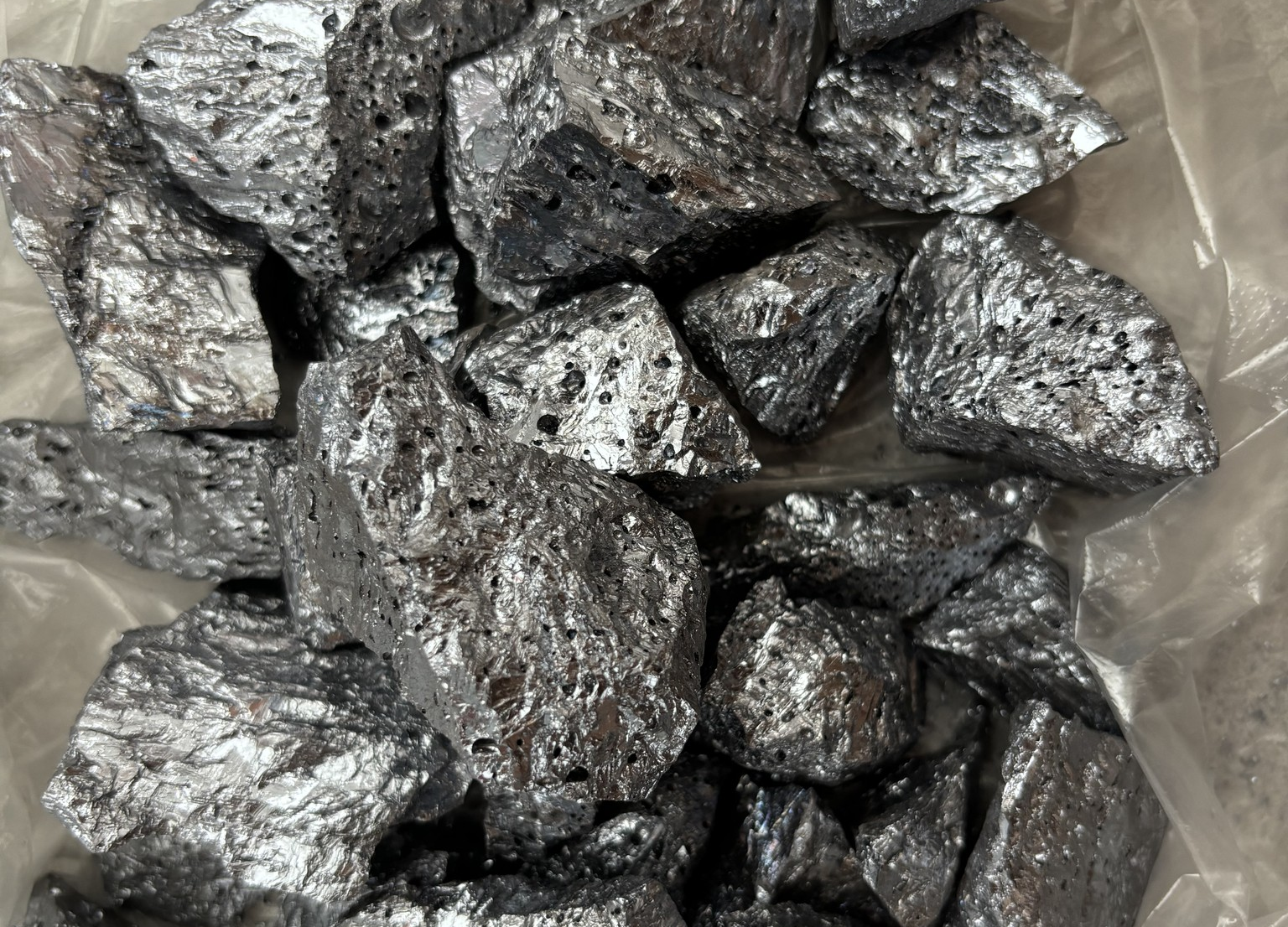
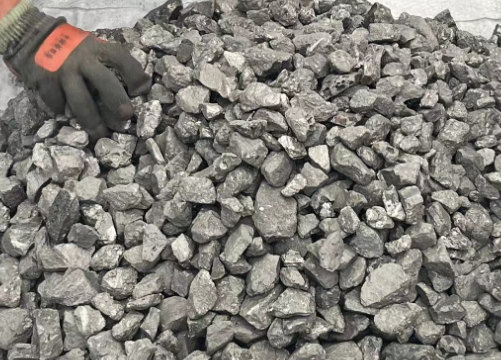
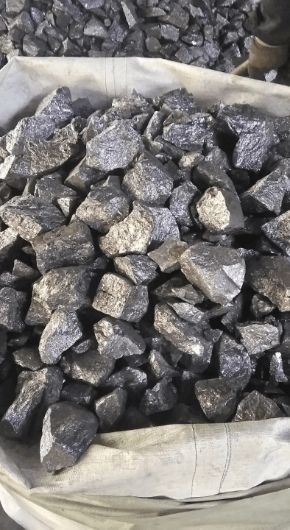
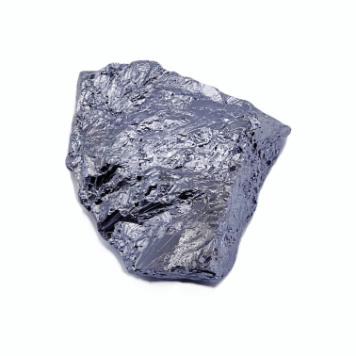
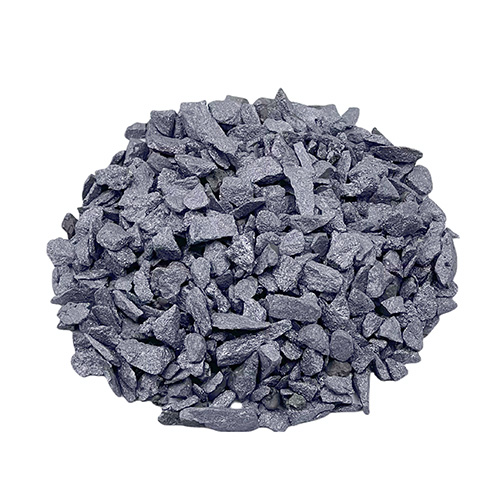
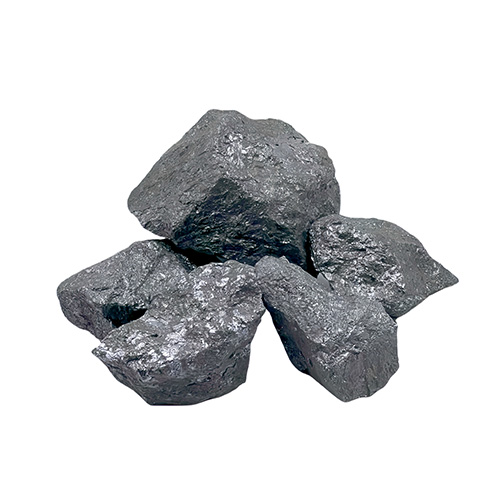
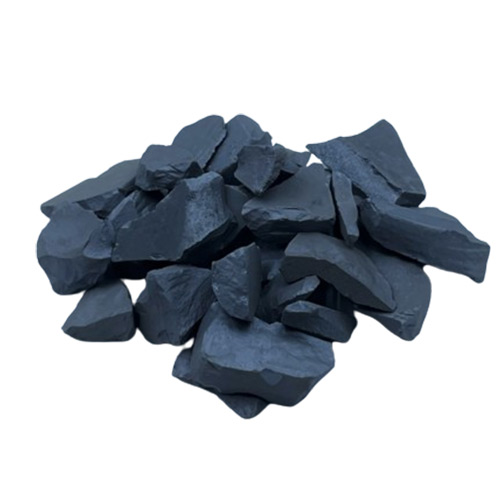
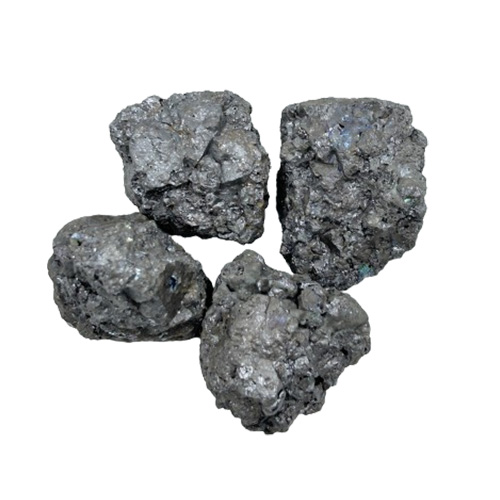
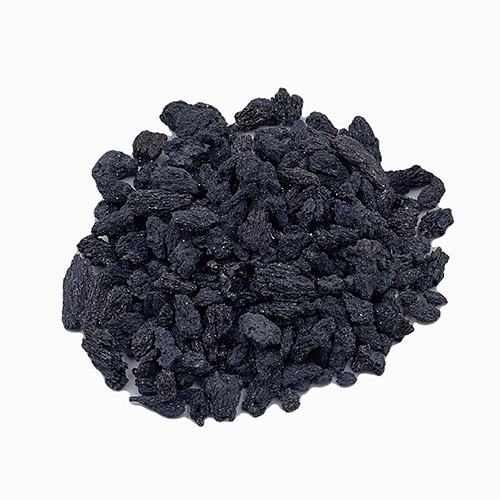
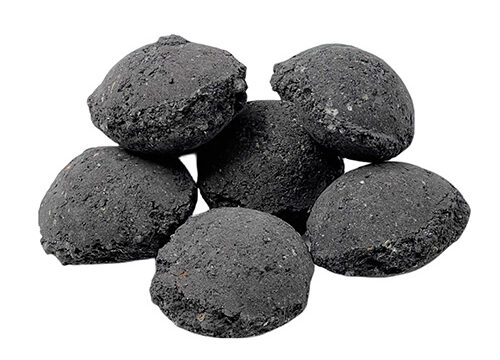
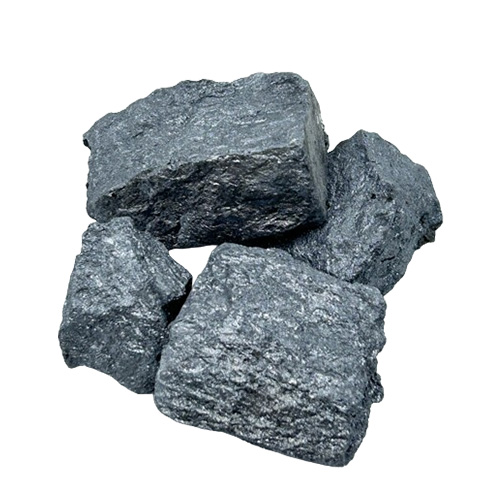
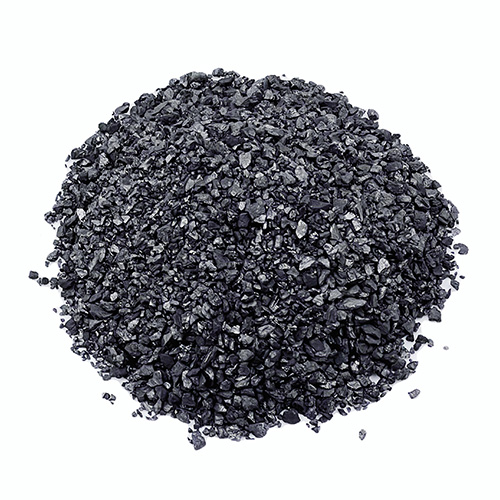
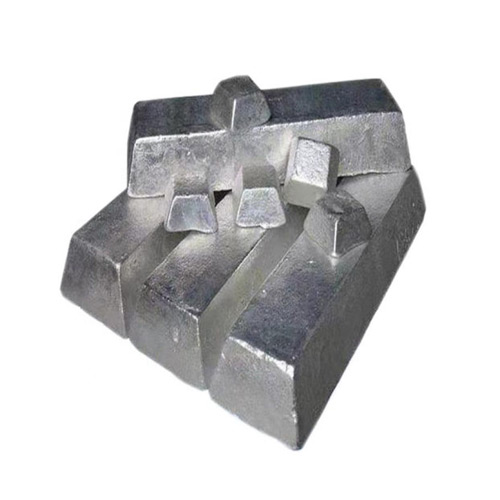
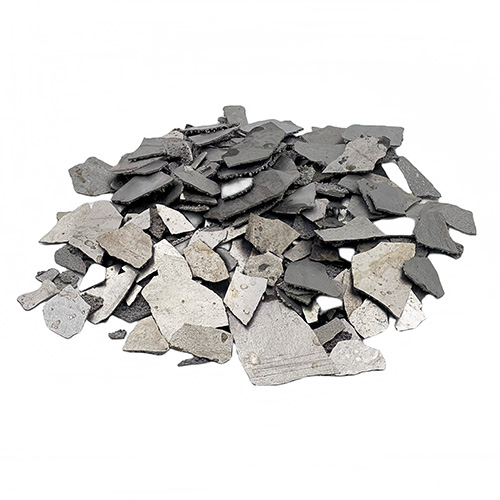
The metallurgical grade silicon market from October to November 2025 was characterized by "increasing supply followed by contraction, overall weak demand, and range-bound price fluctuations". The main futures contract oscillated between 8,800-9,295 RMB/ton, while spot prices remained generally stable with minor adjustments, influenced by production capacity utilization in major producing areas, downstream demand dynamics, and cost changes.
The metallurgical grade silicon market from October to November 2025 was characterized by “increasing supply followed by contraction, overall weak demand, and range-bound price fluctuations”. The main futures contract oscillated between 8,800-9,295 RMB/ton, while spot prices remained generally stable with minor adjustments, influenced by production capacity utilization in major producing areas, downstream demand dynamics, and cost changes. Below is a detailed analysis of the market trends and price movements for the two months:
-
Price Trends
- Futures Market: The main industrial silicon futures contract 2601 completed the contract rollover, with prices fluctuating from 8,980 RMB/ton at the start of the month to 9,100 RMB/ton by the end, peaking at 9,295 RMB/ton intramonth, maintaining an overall range-bound pattern.
- Spot Market: As of October 31, SMM (Shanghai Metals Market) quoted graded prices for different metallurgical grade silicon grades in East China:
-
Key Market Drivers
- Supply: The total number of metallurgical grade silicon furnaces nationwide stood at 796, with 320 in operation, representing an operating rate of 40.20%. A significant increase in furnace operations in Xinjiang drove national output to 452,000 tons in October, a 7.5% month-on-month growth, resulting in a loose supply structure.
- Demand: Downstream demand remained basically stable. Polysilicon output reached approximately 134,000 tons (a slight month-on-month increase), while the operating rate of organic silicon plants was 70.08% (hampered by maintenance activities in multiple regions). Aluminum alloy manufacturers maintained rigid-demand purchasing. Exports, however, weakened: September exports fell by 8.36% month-on-month to 70,200 tons, and the sluggish export trend continued into October.
- Inventory & Cost: Total industry inventory rose to 965,300 tons, increasing inventory pressure. Raw material prices remained stable, leading to differentiated profitability among enterprises—self-powered enterprises maintained reasonable profits, while most others operated near cash cost levels.
-
Price Trends
- Futures Market: The main contract 2601 fluctuated sharply amid news-driven sentiment, rising first and then falling with a weekly decline of 0.67%, closing at 8,960 RMB/ton by the end of the month, and trading within the 8,800-9,400 RMB/ton range overall.
- Spot Market: On November 5, East China spot quotes showed:
- 441# silicon: 9,900-10,100 RMB/ton
- 553# silicon: 9,400-9,600 RMB/ton
Both were up 50 RMB/ton from the end of October. In the week ending November 22, spot prices of oxygen-blown 553# and 441# each rose by 50 RMB/ton, while prices of 3303# and 421# (for organic silicon use) remained unchanged.
-
Key Market Drivers
- Supply: The dry season in Southwest China (Sichuan and Yunnan) led to over 50% production cuts in the region. The national operating furnace count dropped to 262, with an operating rate of 32.91%. National output is expected to fall below 400,000 tons in November, a 12% month-on-month decrease, marking a significant supply contraction.
- Demand: Consumer demand remained basically stable but overall weak. Weekly polysilicon output increased slightly, but enterprises gradually initiated production cuts amid industry de-intensification. The operating rate of organic silicon plants rebounded to 74.37%, but support remained limited amid the off-season. Aluminum alloy manufacturers maintained rigid-demand purchasing, while sluggish October exports continued to weigh on the market.
- Inventory & Cost: Total industry inventory edged up to 958,400 tons, while deliverable warehouse inventory decreased by 14,835 tons. Rising electricity prices in Southwest China pushed up production costs, and reducer prices remained stable. Enterprise profitability remained under pressure but improved slightly due to the modest increase in spot prices.
I can further provide a analysis of factors influencing price differences among metallurgical grade silicon grades and trade pricing recommendations to support accurate pricing in international trade. Would you like this additional analysis?
-
Contant Long Silicon
Our company was founded in 2006 with a registered capital of 5 million CNY. It mainly produces
iron
alloys and auxiliary materials in iron and steel smelting, building materials, electric power,
petrochemical, non-ferrous smelting and other industries.