Call Us Today!
(86) 13523337775 |
ayzhyjnc888@gmail.com

In 2026, the foundry industry is undergoing a structural transformation driven by two key forces:
higher casting quality standards and stricter environmental compliance requirements.
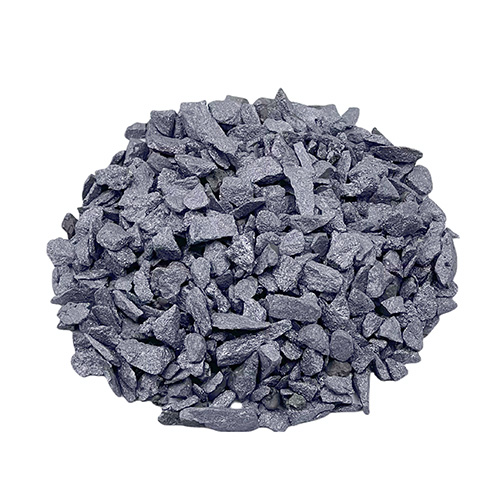
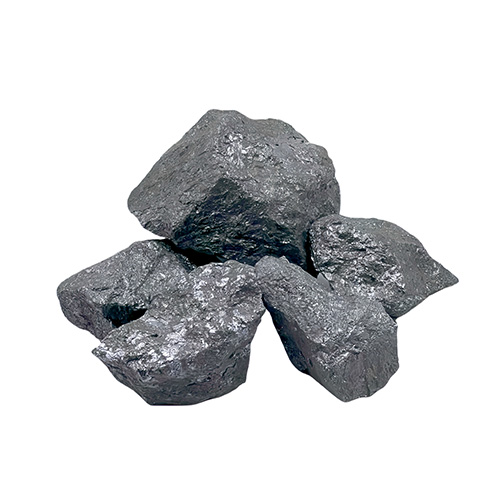
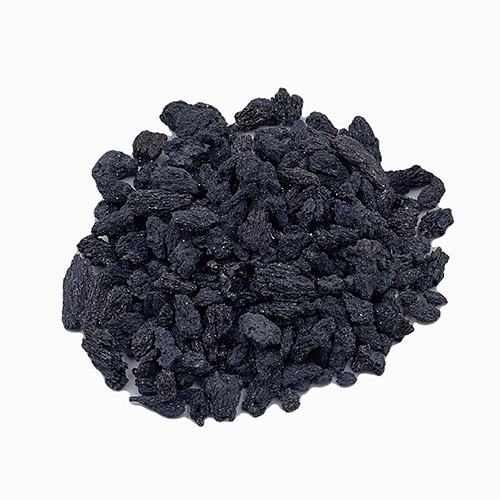
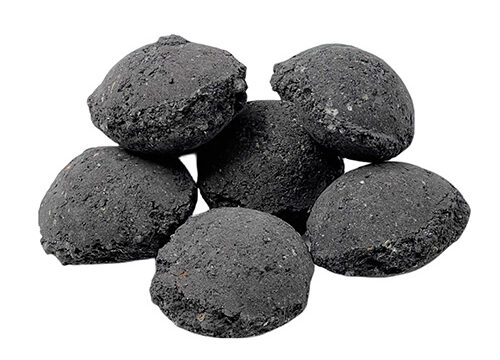
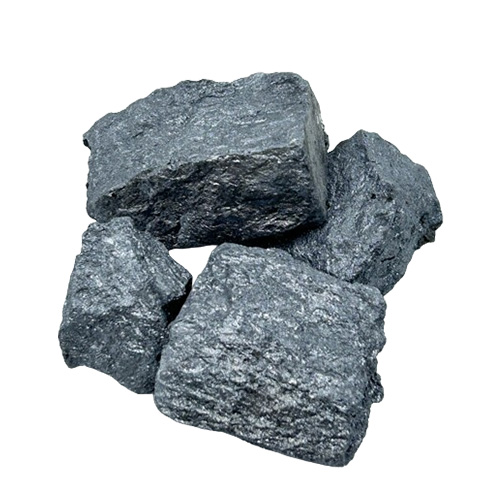
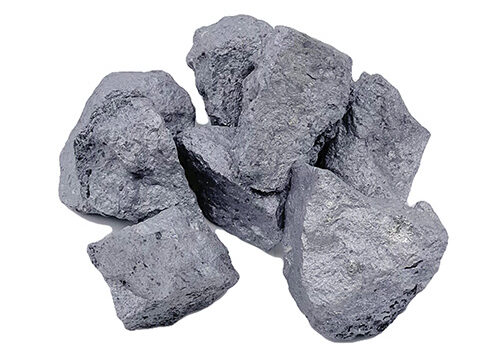
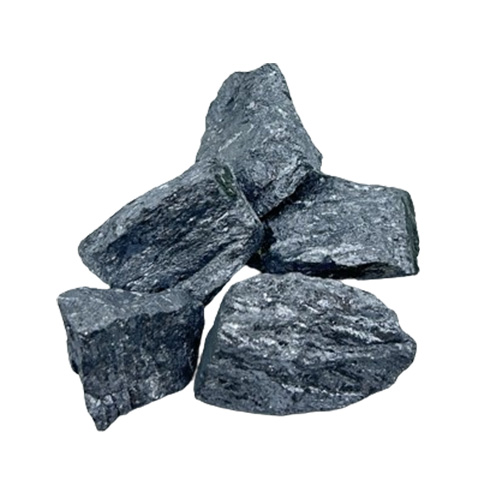
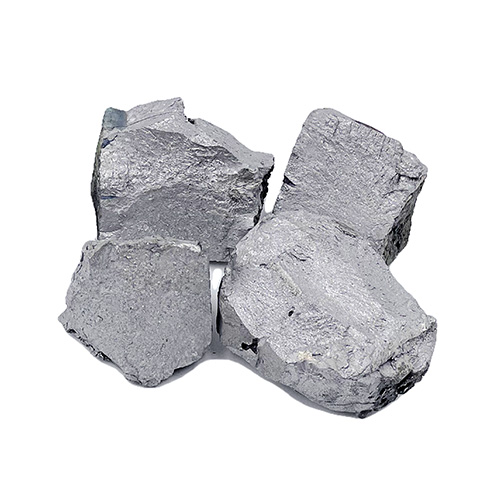
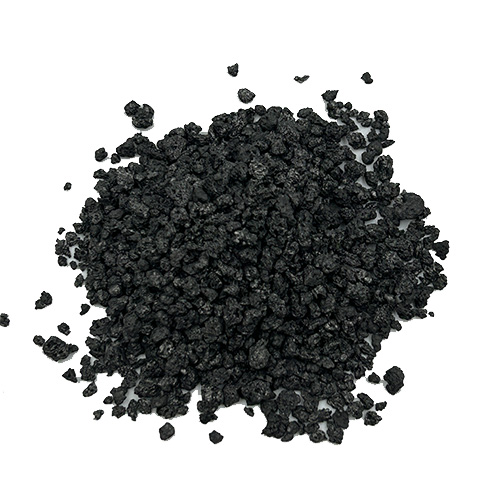
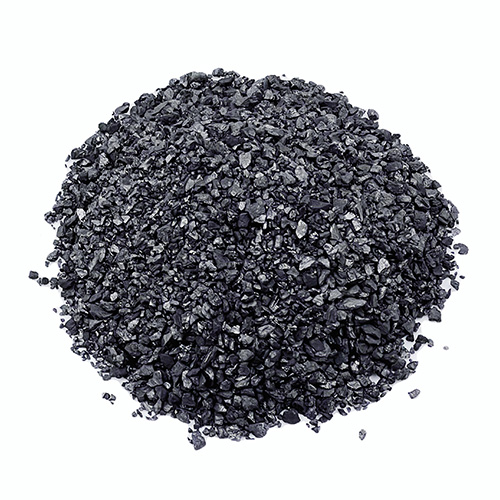
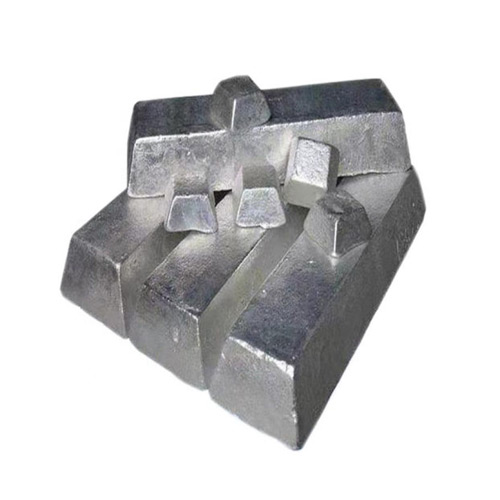
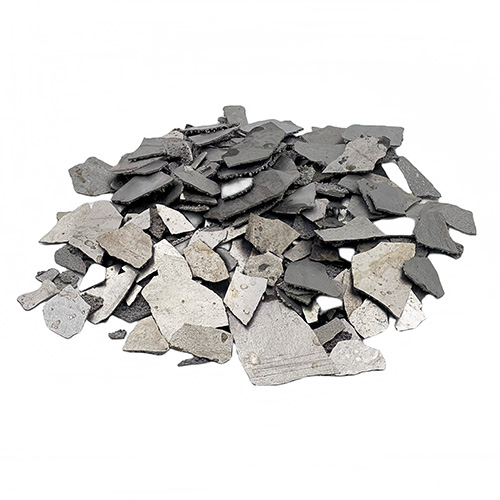
Under these conditions, High Carbon Silicon has gradually become a preferred auxiliary material in cast iron production. Compared with traditional deoxidizers and carburizers, its low impurity content, stable composition, and integrated functionality provide foundries with a more controllable and sustainable solution.
For manufacturers with long-term experience in ferro alloy and silicon-based materials, the shift toward High Carbon Silicon reflects not only regulatory pressure, but also a clear trend toward process stability and quality consistency.
Production Process Upgrading: From By-Product to Engineered Material
Limitations of Conventional Production Routes
Traditionally, High Carbon Silicon was obtained as a by-product of metallic silicon smelting. Due to uneven electrode distribution and incomplete bottom reactions in submerged arc furnaces, product consistency was difficult to control. Impurity fluctuations and high energy consumption limited its application in precision casting.
As a result, early-stage High Carbon Silicon was often used only in low-end or non-critical applications.
Plasma-Based Production: Industrial-Scale Application in 2026
By 2026, plasma-assisted production technology will have been adopted by several specialized manufacturers with dedicated silicon alloy production lines.
Through uniform high-temperature plasma heating, silica and carbonaceous materials react more completely, offering:
• Approximately 45% lower power consumption compared with traditional electric furnaces
• Accurate control of silicon and carbon ratios
• Significantly reduced aluminum, phosphorus, and sulfur content
• Product purity exceeding 99%
Manufacturers with integrated process control and long-term furnace operation experience have been able to scale this technology efficiently, ensuring stable supply for large foundry groups.
Raw Material Optimization and Furnace Parameter Control
Another critical improvement lies in raw material selection and ratio optimization.
By using high-purity quartz sand and controlled-grade graphite, impurity introduction from upstream materials is minimized. Combined with refined furnace temperature and pressure management, this process enables stable production of High Carbon Silicon with:
• Silicon ≥ 68%
• Carbon ≈ 18%
• Narrow batch-to-batch deviation
This level of consistency is particularly valued by export-oriented foundries and OEM suppliers requiring long-term quality stability.
Performance Advantages in Cast Iron Production
Carbon and silicon are core elements determining cast iron microstructure and mechanical behavior. In modern foundry practice, auxiliary materials are expected to do more than simple element supplementation.
Stable Composition for Predictable Results
High Carbon Silicon offers controlled chemistry with low impurities
(Al ≤ 3%, S ≤ 0.1%, P ≤ 0.05%),
allowing foundries to fine-tune melt composition with greater accuracy.
This helps reduce common issues such as inconsistent hardness, fluctuating tensile strength, and uneven metallographic structure across production batches.
Improved Melt Quality and Defect Reduction
With high deoxidation efficiency, High Carbon Silicon effectively reduces dissolved oxygen in molten iron, lowering the risk of porosity and shrinkage defects.
Its desulfurization capability further improves corrosion resistance and mechanical integrity—an increasingly important factor for castings used in heavy-duty and long-life applications.
Compatibility with Advanced Casting Processes
In high-demand processes such as integrated die casting, low-sodium High Carbon Silicon has demonstrated reliable performance, achieving deoxidation efficiencies of up to 94.5%.
Several experienced alloy material suppliers have successfully supported import substitution in this segment, helping foundries reduce defect rates without changing existing melting systems.
Application Growth and Market Trends in 2026
Expanding Use in High-End Casting Segments
With strong growth in new energy vehicles and construction machinery, High Carbon Silicon is now widely used in:
• Integrated die-cast chassis components, where improved melt fluidity and density enhance fatigue resistance
• Engine blocks and wear-resistant castings, where hardness increases of around 18% and wear resistance improvements of 25% have been observed
Foundries working with stable upstream material suppliers benefit from more predictable performance during mass production.
Environmental Compliance and Export-Oriented Production
By 2026, over 98% of foundry enterprises have completed ultra-low emission upgrades.
As a low-dust, low-emission auxiliary material, High Carbon Silicon fits well into modern environmental management systems. In addition, the updated EU Metallurgical Auxiliary Sustainability Certification System introduced a 0.008 ppm heavy metal impurity threshold, significantly raising entry barriers for export markets.
Thanks to its low impurity characteristics, High Carbon Silicon now accounts for more than 70% of auxiliary material usage in export-grade casting production.
A Material Aligned with Long-Term Foundry Strategy
In 2026, High Carbon Silicon has evolved from a marginal by-product into a strategic auxiliary material supporting quality consistency, environmental compliance, and international competitiveness.
For foundries and casting manufacturers seeking stable production, lower defect rates, and long-term supplier reliability, High Carbon Silicon is no longer an optional upgrade—it is becoming part of the standard material strategy.