Call Us Today!
(86) 13523337775 |
ayzhyjnc888@gmail.com

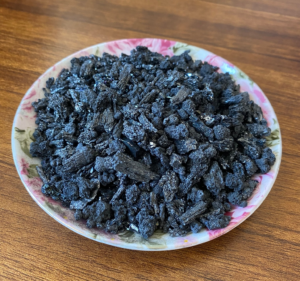
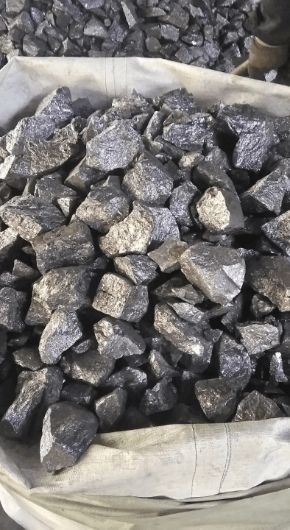
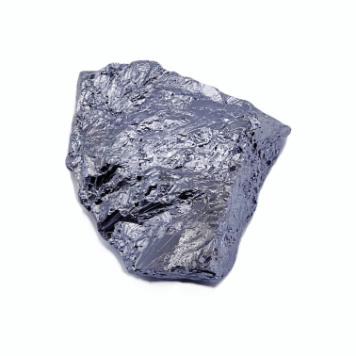
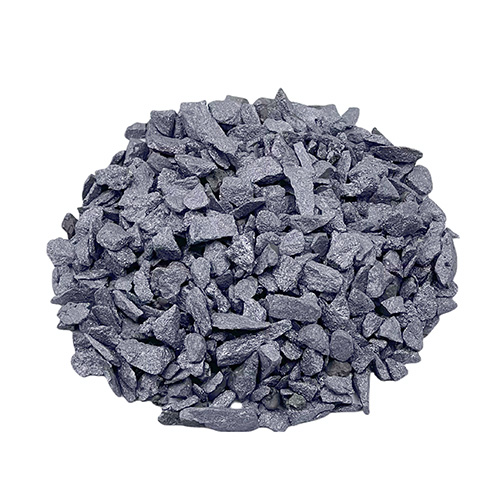
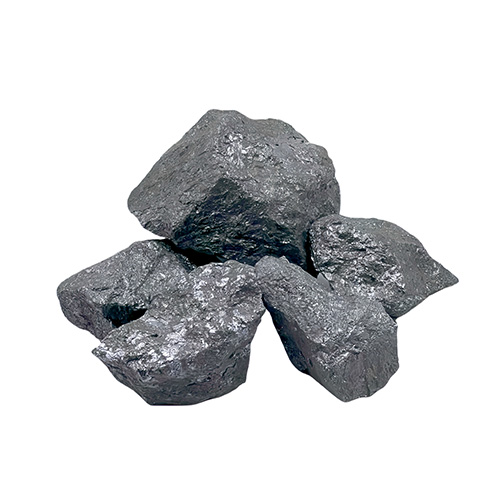
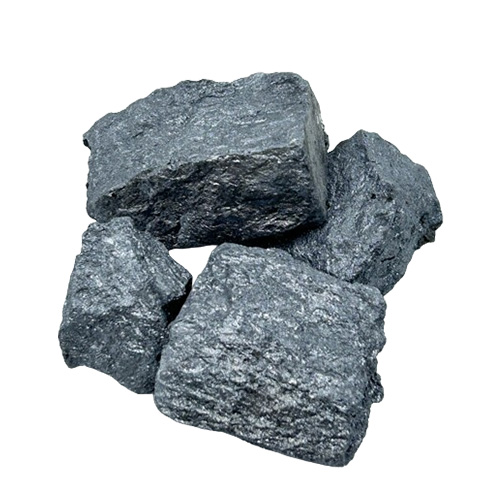
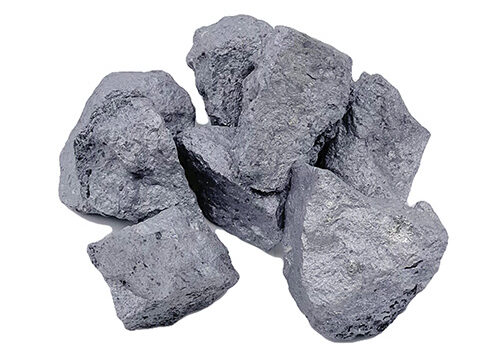
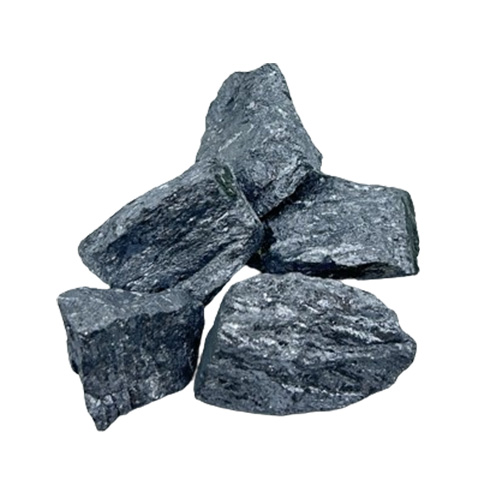
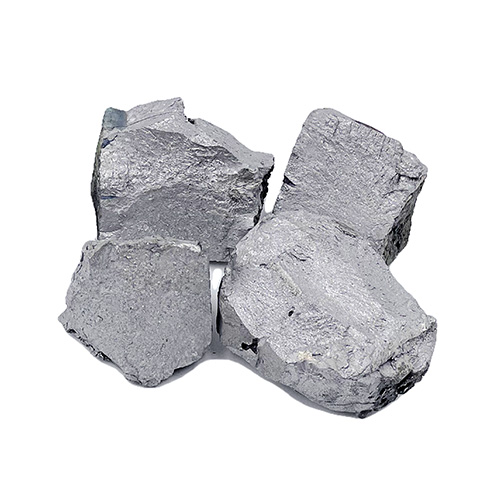
Silicon carbide (SiC) is used as a refractory material in certain steelmaking processes, particularly in the lining of furnaces and ladles. When used at around 85% content, the key effects of silicon carbide in steelmaking include:
High Thermal Resistance: Silicon carbide has excellent thermal shock resistance and can withstand very high temperatures encountered in steel production. This helps maintain the integrity of the furnace and ladle linings.
Wear Resistance: SiC exhibits high abrasion and wear resistance, which is important for withstanding the mechanical stresses experienced in steel processing equipment.
Slag Resistance: Silicon carbide is relatively resistant to chemical attack from the basic slag encountered in steelmaking, helping to extend the service life of the refractory lining.
Thermal Conductivity: SiC has moderate thermal conductivity, which helps to evenly distribute heat within the furnace or ladle, improving energy efficiency and temperature control.
Reduced Erosion: The high hardness of silicon carbide helps to minimize erosion of the refractory lining, reducing the need for frequent maintenance and relining of the equipment.
Improved Steel Qualityinert nature of SiC in the steelmaking environment helps to minimize the introduction of impurities into the molten steel, contributing to improved steel cleanliness and quality.
Overall, the use of 85% silicon carbide refractory materials in steelmaking furnaces and ladles helps to enhance the thermal, mechanical, and chemical resistance of the processing equipment, leading to longer service life, improved energy efficiency, and better steel quality.