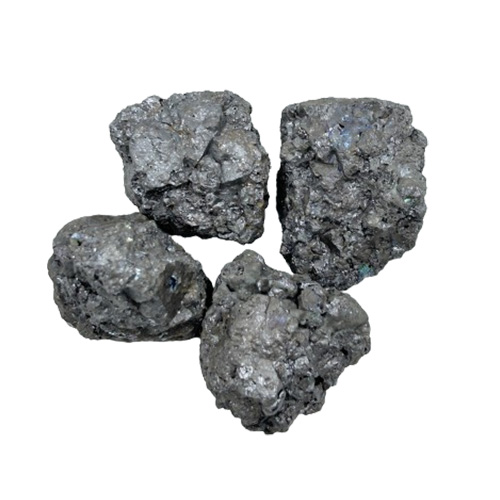
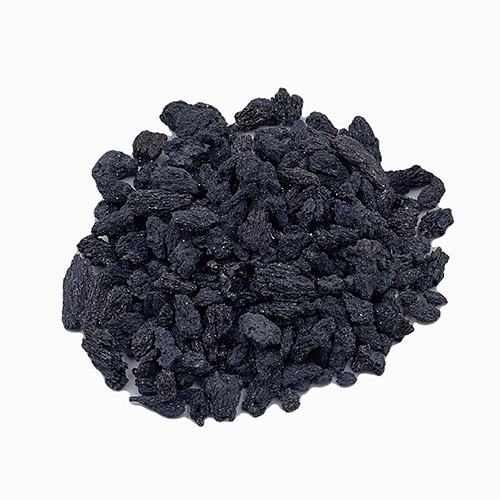
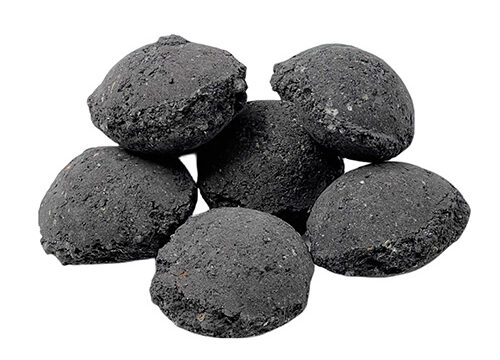
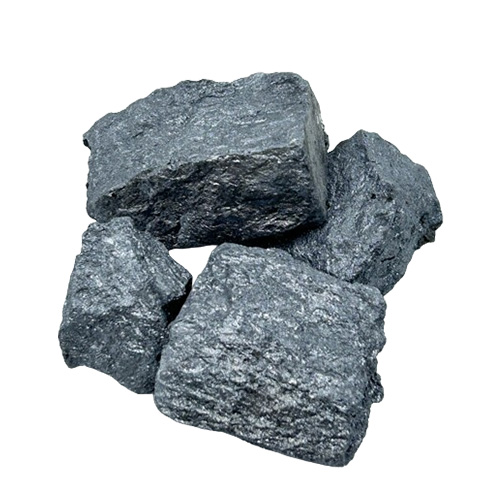
In the competitive steel industry, optimizing production processes while maintaining high quality and cost efficiency is crucial. One effective way to achieve this is by using silicon slag—a by-product of silicon metal production—as a raw material in steelmaking. This guide explains how to use silicon slag in steelmaking, its key benefits, and best practices to ensure optimal results.
In the competitive steel industry, optimizing production processes while maintaining high quality and cost efficiency is crucial. One effective way to achieve this is by using silicon slag—a by-product of silicon metal production—as a raw material in steelmaking. This guide explains how to use silicon slag in steelmaking, its key benefits, and best practices to ensure optimal results.
What Is Silicon Slag?
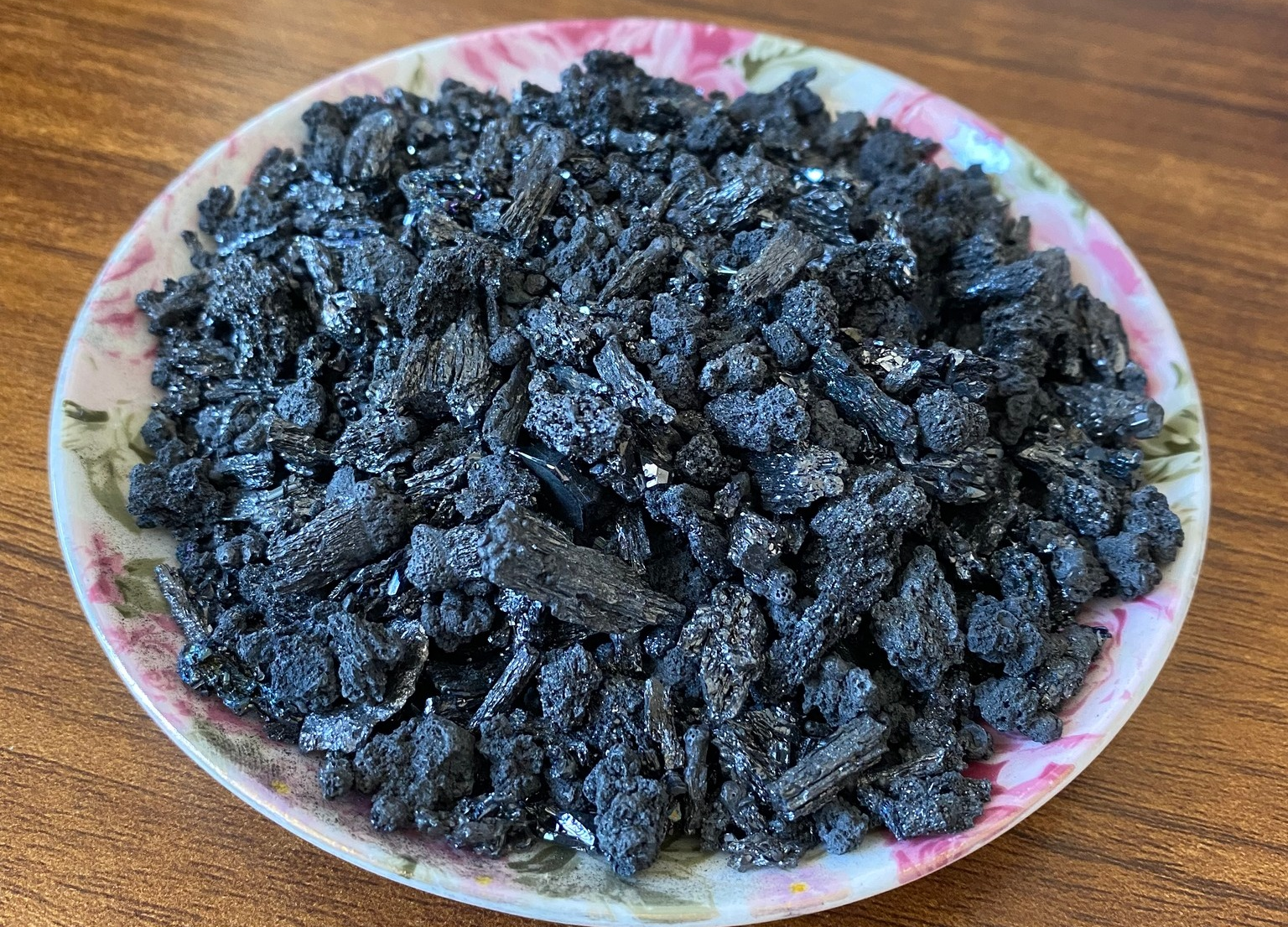
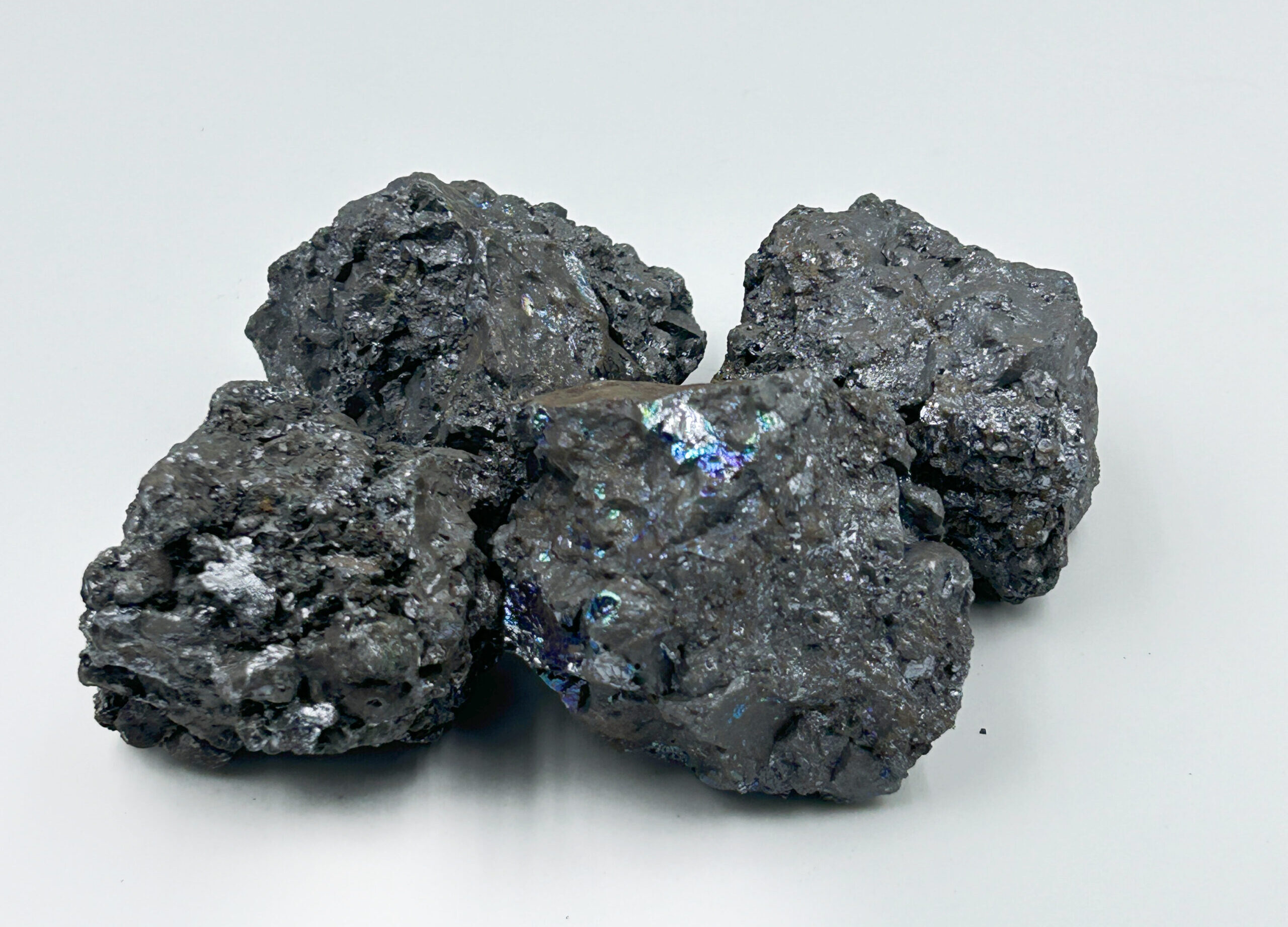
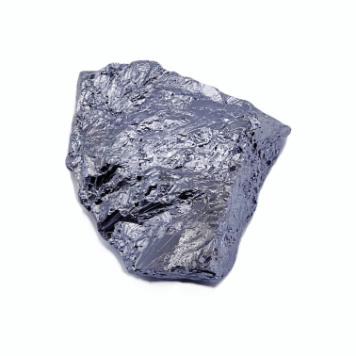
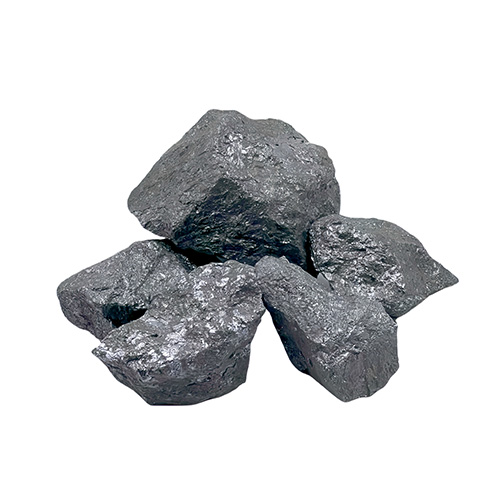
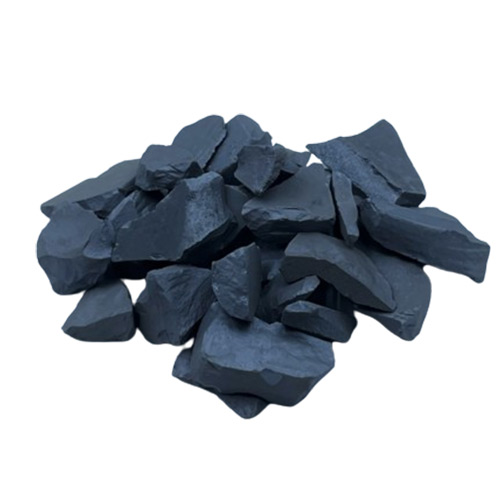
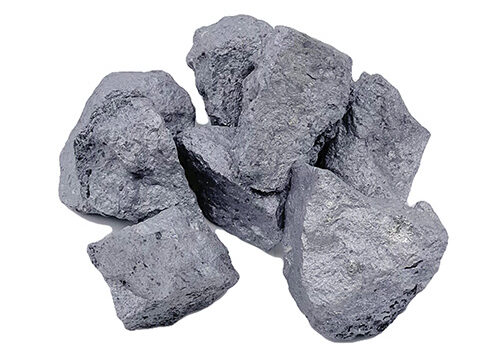
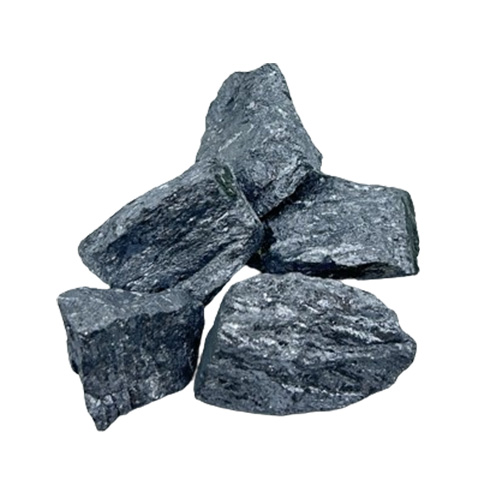
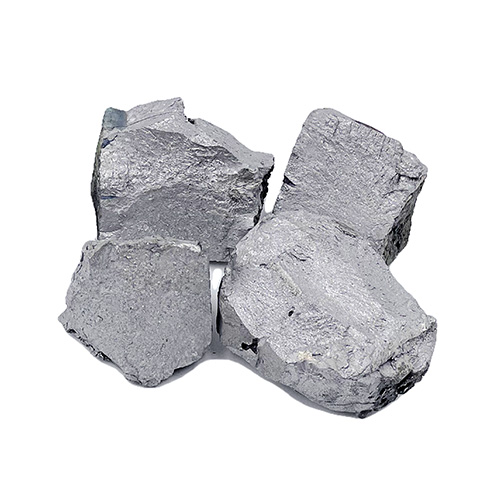
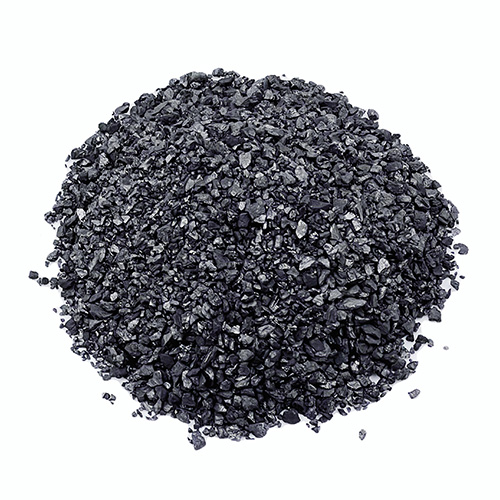
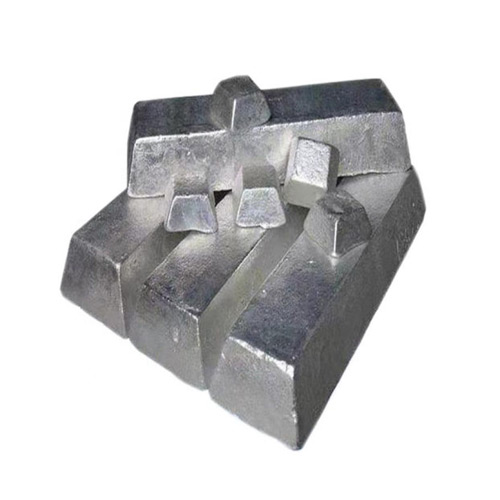
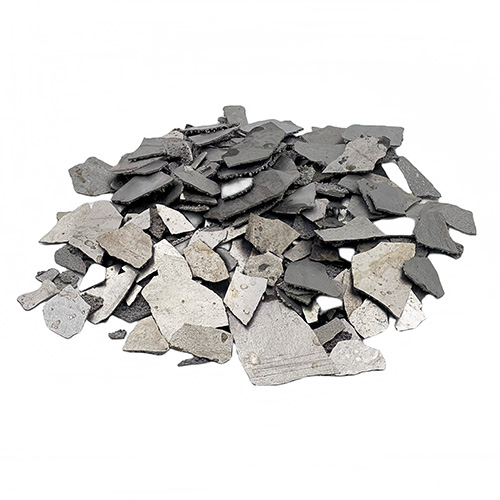
Silicon slag is a residual material generated during the production of silicon metal or ferrosilicon alloys. It contains significant amounts of silicon, along with other elements like iron, calcium, and aluminum. Depending on the source, silicon content typically ranges from 30% to 70%, making it a valuable, cost-efficient alternative to traditional ferrosilicon in steelmaking.
Key Benefits of Using Silicon Slag in Steelmaking
- Cost Reduction: Silicon slag is more affordable than pure ferrosilicon, helping steelmakers lower raw material costs without compromising quality.
- Efficient Deoxidation: Silicon acts as a strong deoxidizer. Using silicon slag removes oxygen from molten steel, reducing impurities and enhancing steel purity.
- Improved Steel Quality: The silicon in slag improves fluidity, reduces blowholes, and promotes better alloy homogeneity, resulting in higher-grade steel outputs.
- Environmental Sustainability: By repurposing a waste product, steelmakers contribute to circular economy practices and reduce industrial waste.
How to Use Silicon Slag in Steelmaking: Step-by-Step
- Quality Assessment:
Before use, analyze the chemical composition of the silicon slag—especially its silicon, phosphorus, and sulfur content—to ensure it meets required standards. Low phosphorus and sulfur levels are critical to avoid compromising steel quality.
- Crushing and Sizing:
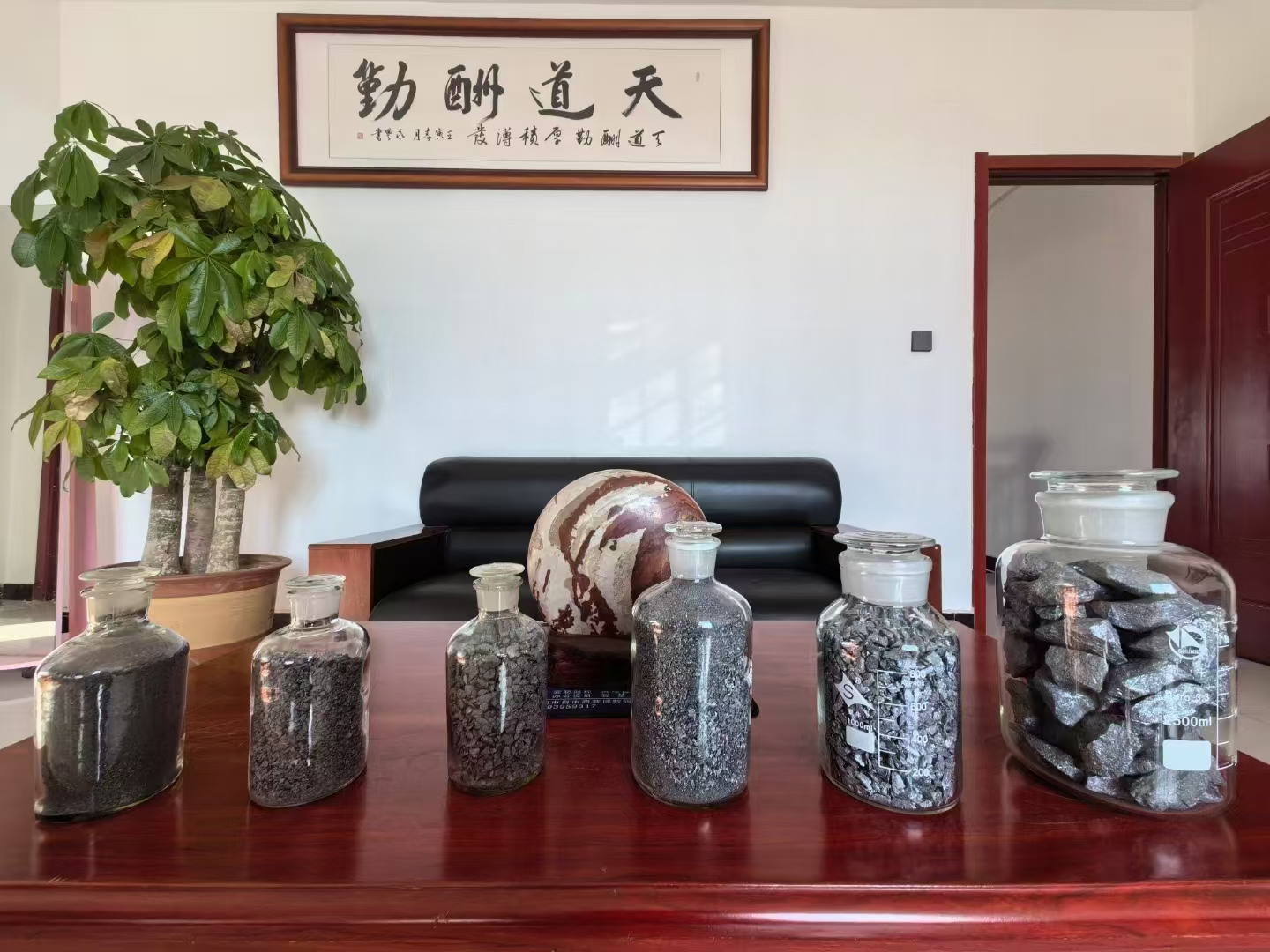
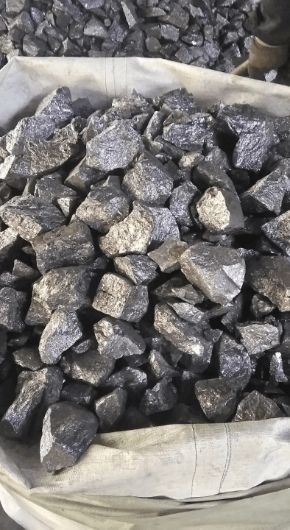
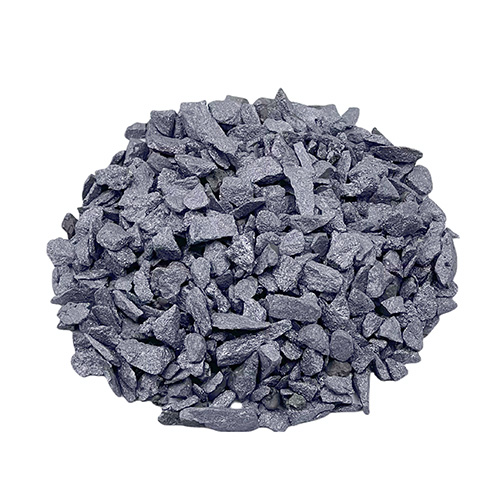
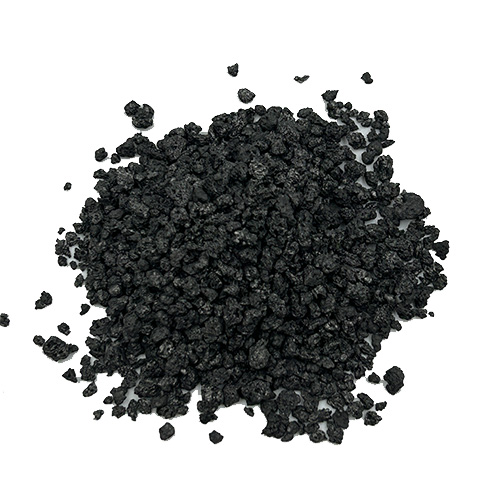
Silicon slag is often lumpy or coarse. Crush it into smaller particles (e.g., 10–50mm) to facilitate faster dissolution and homogeneous mixing in the molten steel.
- Timing of Addition:
Add silicon slag during the late stages of the steelmaking process, such as during tapping or ladle furnace treatment. This allows sufficient time for dissolution and reaction without disrupting other metallurgical processes.
- Dosage Control:
Determine the appropriate amount based on the desired silicon content in the final steel product. Over-addition may lead to excessive silicon, affecting steel properties, while under-addition might compromise deoxidation.
- Combination with Other Alloys:
Silicon slag can be used alongside other alloys like ferromanganese or silicomanganese to achieve the target composition and enhance efficiency.
- Monitoring and Adjustment:
Continuously monitor the steel melt post-addition using spectroscopic analysis. Adjust parameters as needed to ensure optimal results.
Practical Tips for Best Results
- Source Reliable Suppliers: Work with trusted suppliers who provide consistent, high-purity silicon slag with transparent composition reports.
- Train Operators: Ensure furnace operators understand how to handle and add silicon slag correctly.
- Follow Safety Protocols: Use appropriate protective gear during handling to avoid exposure to dust or sharp particles.
Why Trust This Guide?
Our recommendations are based on decades of expertise in metallurgy and steel production. Long Silicon prioritizes accuracy, safety, and efficiency to help you achieve sustainable steelmaking practices. By integrating silicon slag into your process, you not only reduce costs but also support environmental responsibility.
Using silicon slag in steelmaking is a smart, economical choice for enhancing deoxidation, improving steel quality, and reducing operational costs. By following the steps outlined above, steel producers can seamlessly incorporate silicon slag into their production lines while maintaining high standards.
For more expert insights on steelmaking additives and industrial efficiency, explore our resource library or contact our team for personalized advice.