Call Us Today!
(86) 13523337775 |
ayzhyjnc888@gmail.com

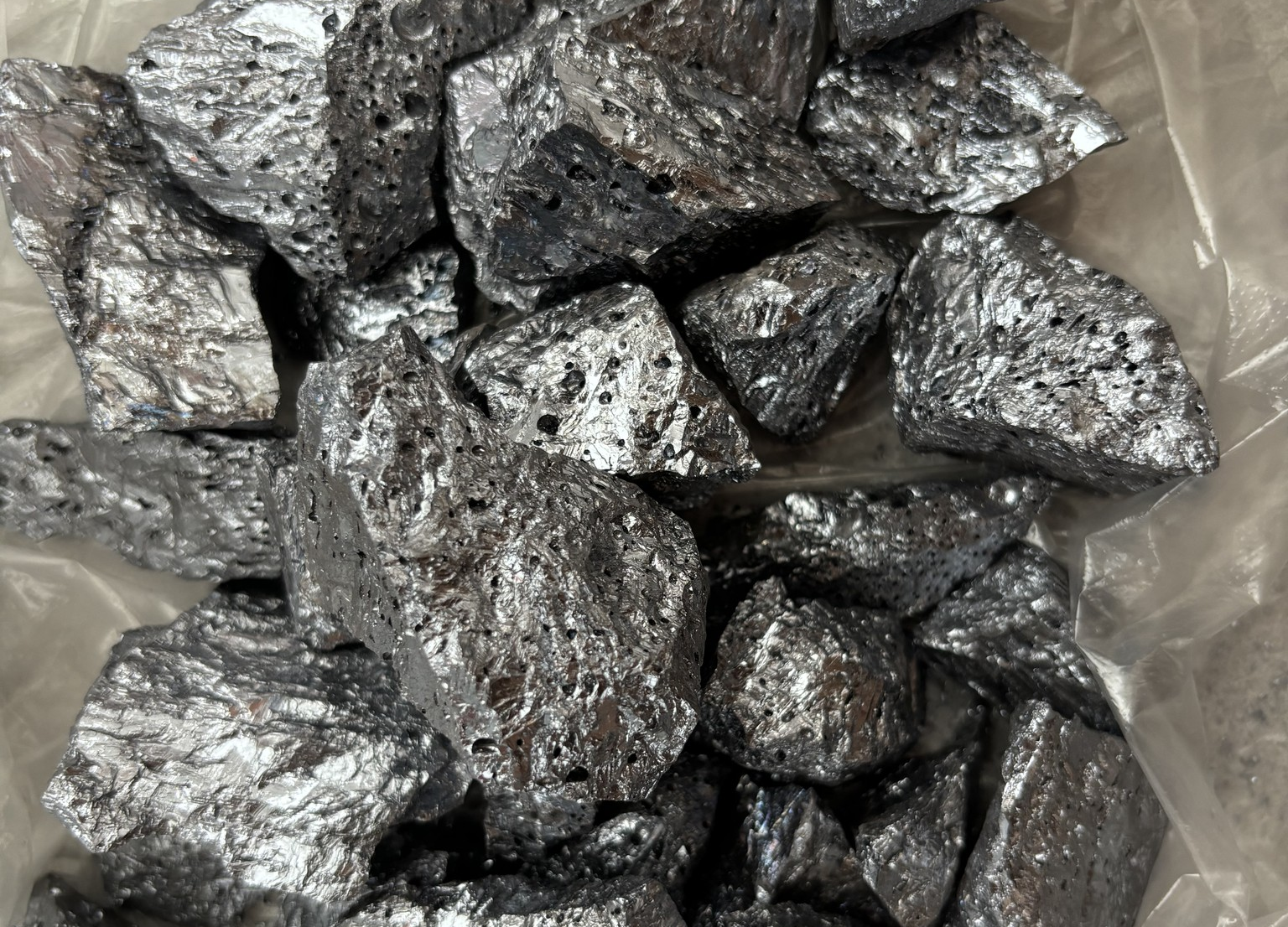
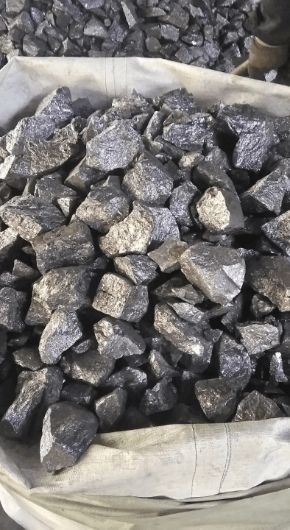
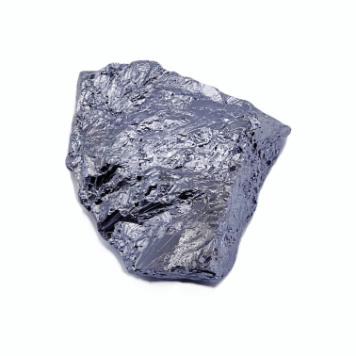
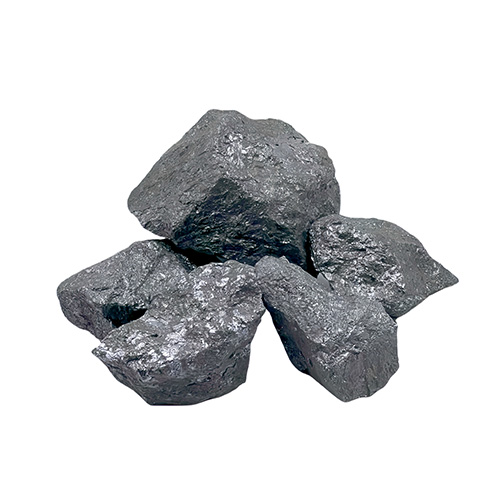
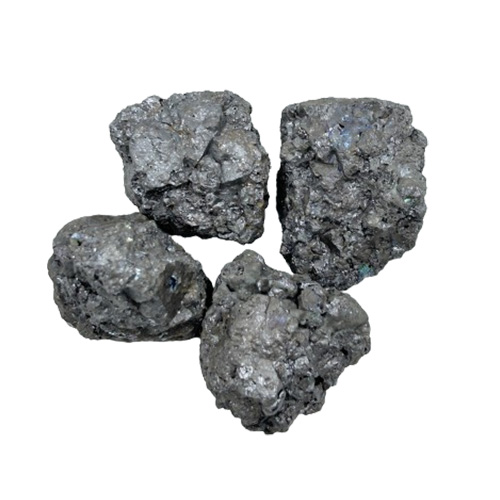
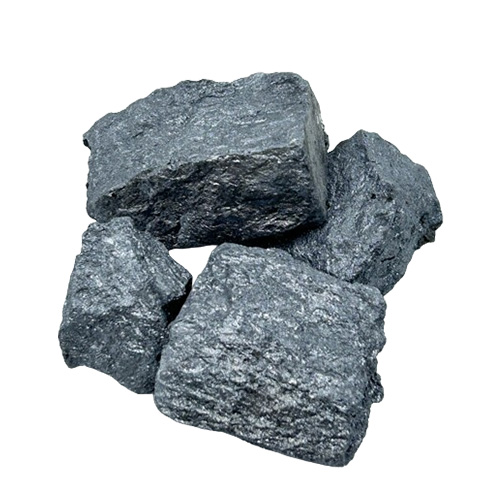
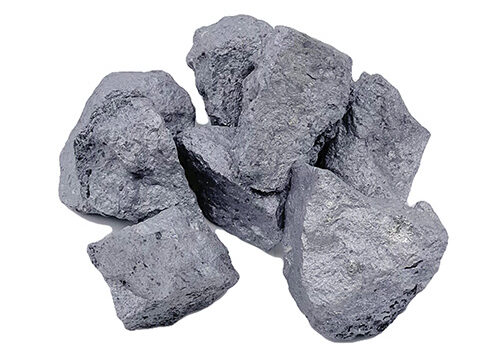
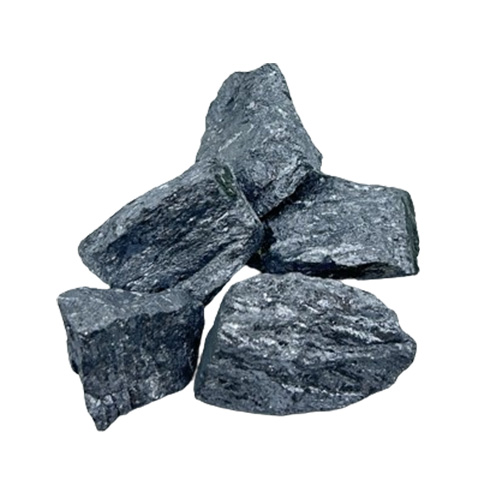
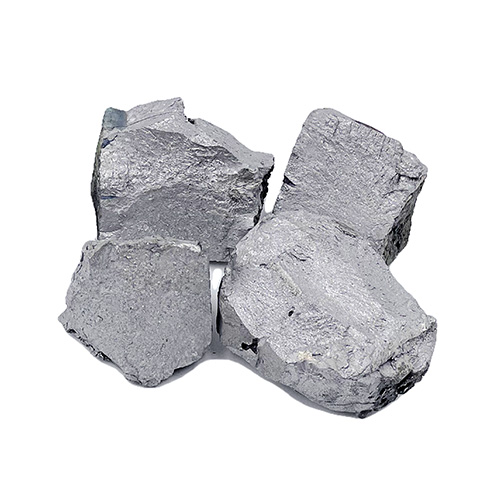
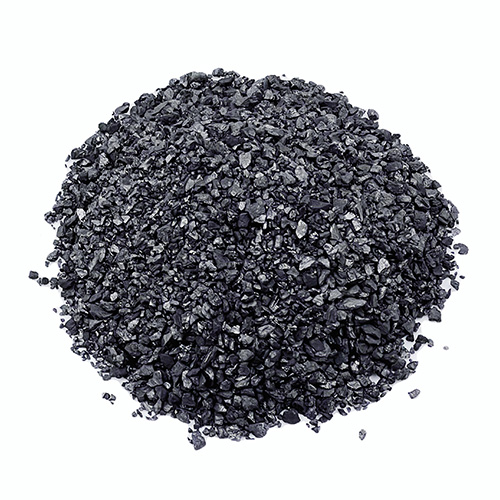
What Is High Carbon Silicon? High carbon silicon (also known as silicon carbon alloy or Si-C Alloy) is an innovative metallurgical material composed primarily of silicon (Si) and carbon (C). Typically containing Si 65–70% and C 15–20%, this alloy is a byproduct of ferrosilicon production or a result of refining silicon-carbon blends in an electric furnace.
Over the past decade, high carbon silicon uses have expanded significantly across steelmaking, casting, and alloying industries due to its cost-efficiency and multifunctional properties. Its increasing role as a ferrosilicon substitute also makes it an attractive option for manufacturers seeking to reduce material costs without compromising quality.
One of the most common high carbon silicon uses is as a deoxidizing agent in the steelmaking process. Oxygen is a harmful impurity in molten steel, and its removal is essential to improve the final product’s strength and ductility.
High carbon silicon provides two elements—silicon and carbon—that strongly bond with oxygen. When added to molten steel, the silicon reacts with oxygen to form SiO₂ (silicon slag), which floats to the top and is easily removed. This process:
In particular, converter steel plants and electric arc furnaces use high carbon silicon for early-stage deoxidation, optimizing cost-performance ratios.
Besides deoxidation, high carbon silicon also serves as a silicon additive during alloying. Silicon improves steel’s properties by:
In carbon steel, low alloy steel, and spring steel, manufacturers often use high carbon silicon to precisely adjust the silicon content during composition control. Its affordability makes it an ideal choice when budget constraints limit the use of pure silicon or ferrosilicon.
High carbon silicon is widely used in cast iron production as a recarburizer, helping to replenish carbon content lost during melting. Compared to traditional graphite or petroleum coke, HC silicon provides:
Particularly in grey iron and ductile iron foundries, high carbon silicon improves casting integrity and graphite formation, which enhances mechanical performance and surface finish.
Due to rising ferrosilicon prices, many metallurgical plants now partially or fully replace FeSi with high carbon silicon. In applications where a strict ratio of Fe is not mandatory, HC silicon offers:
Its ability to serve as an alternative to both ferrosilicon and carburizers makes it a versatile material in the alloying process chain.
In high-temperature metallurgical operations, high carbon silicon contributes to slag fluidity and thermal insulation. By forming stable silicate phases, it helps:
This benefit is particularly valuable in induction furnace operations and secondary refining units.
High carbon silicon is often priced significantly lower than ferrosilicon, silicon metal, and carburizers. This makes it especially suitable for:
By replacing multiple raw materials with one multifunctional alloy, manufacturers reduce procurement complexity and inventory costs.
Unlike separate additions of silicon, carbon, and ferrosilicon, high carbon silicon provides compositional synergy. This simplifies:
Such operational simplicity improves consistency and reduces manpower requirements.
Since high carbon silicon often originates as a byproduct of other alloy production, it offers a sustainable way to utilize residual silicon slag and off-grade materials. By recycling and repurposing these resources:
This aligns well with global trends toward green steelmaking and circular metallurgical practices.
| Component | Typical Content (%) |
|---|---|
| Silicon (Si) | 65–70% |
| Carbon (C) | 15–20% |
| Sulfur (S) | ≤0.1% |
| Phosphorus (P) | ≤0.05% |
| Aluminum (Al) | ≤2% |
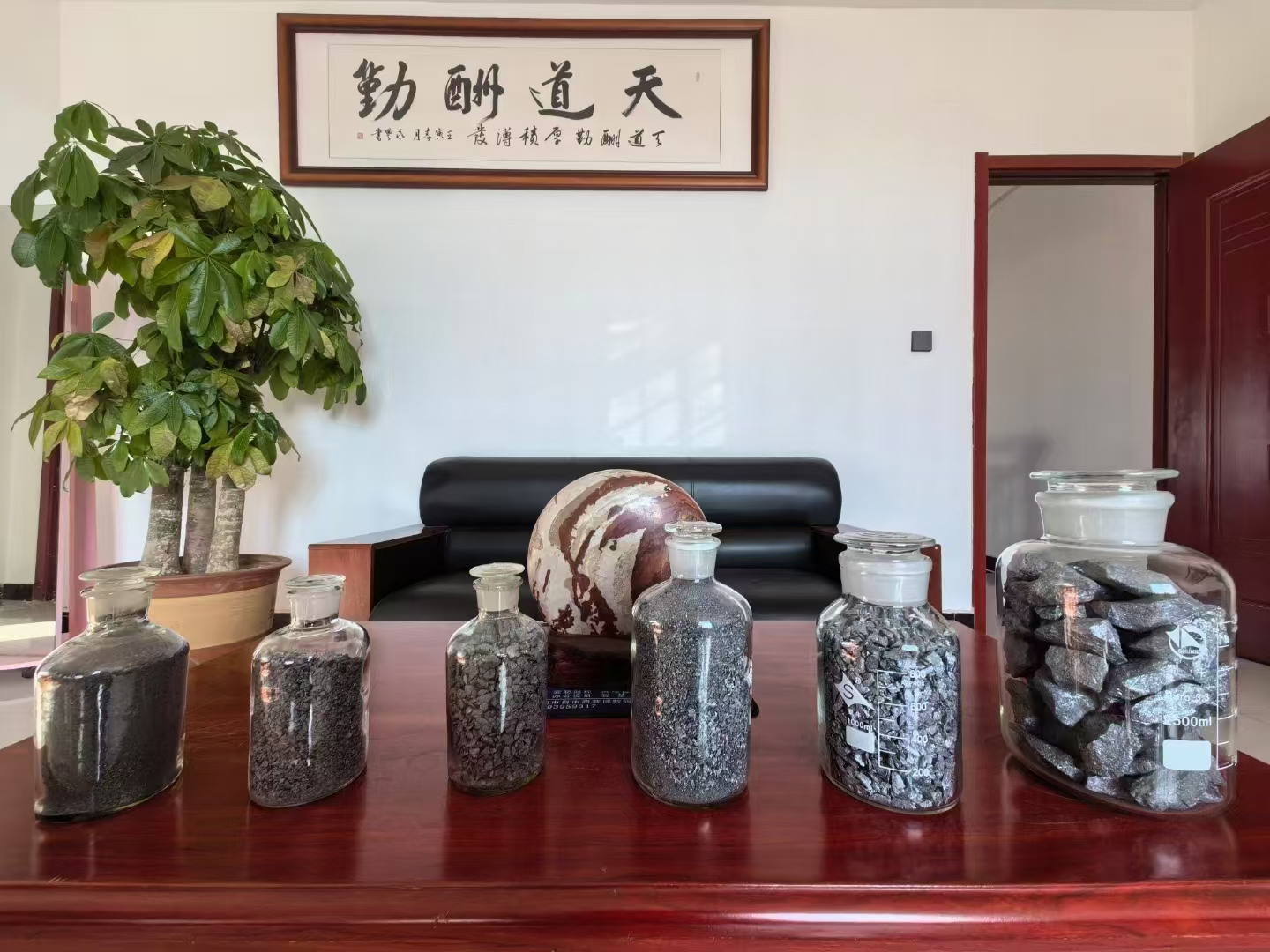
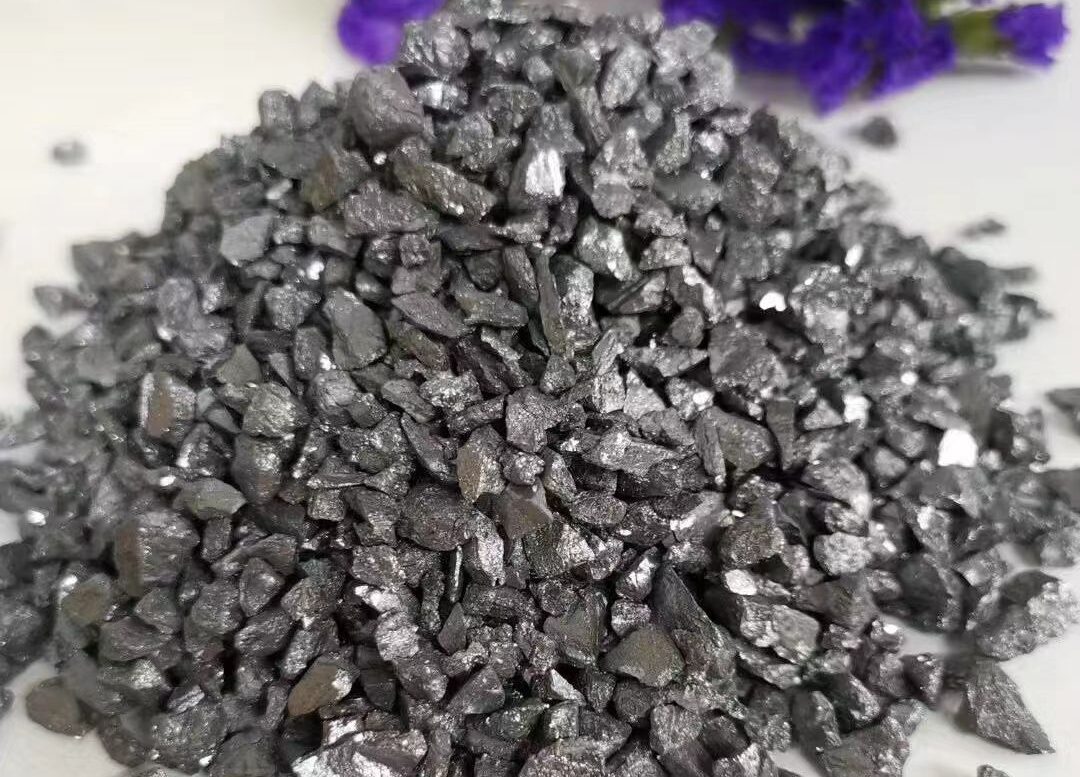
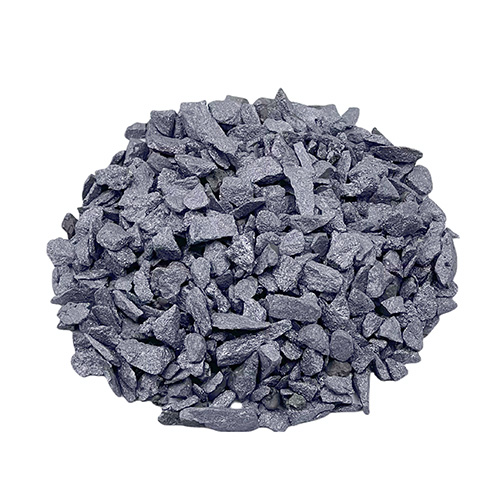
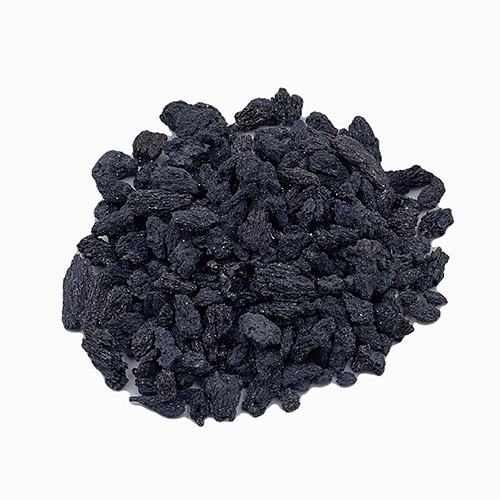
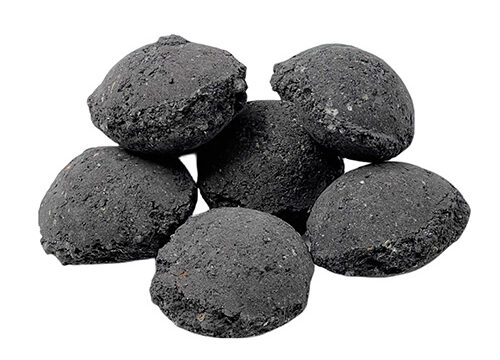
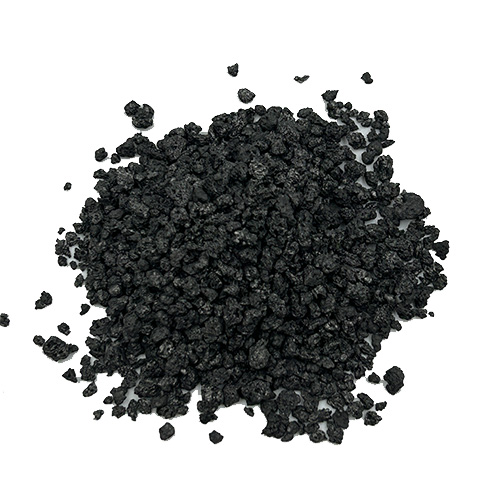
High carbon silicon is commonly available in the following sizes:
Customization of particle size is possible depending on furnace type and customer requirements.
From rebar to high-strength low-alloy (HSLA) steel, HC silicon is widely applied in:
Used in:
As a raw material blend for producing silicon-rich ferroalloys or modifying slags.
High carbon silicon has emerged as a multi-functional, economical, and sustainable material in modern metallurgical industries. Its main uses include deoxidizing molten steel, enriching carbon content in iron, acting as a substitute for ferrosilicon, and improving slag behavior during high-temperature processes.
For companies looking to optimize performance while lowering costs, integrating high carbon silicon into their operations offers both technical and financial advantages. Whether you’re a steel mill, casting foundry, or alloy producer, this versatile material can enhance product quality and boost operational efficiency.